
Lightera, a specialist manufacturer of submarine optical fiber systems, has announced a significant capital investment aimed at substantially expanding its production capacity for undersea cable infrastructure. The move comes as global demand for high-bandwidth, transoceanic data transmission surges, driven by the rapid proliferation of cloud computing, artificial intelligence workloads, and international internet traffic. The company disclosed the investment through a press release carried by PR Newswire, though specific financial terms were not fully itemized in the announcement. As undersea cable networks become increasingly critical to global digital commerce, infrastructure investments of this kind are drawing growing attention from both industrial and financial markets — a dynamic also reshaping fixed-income desks and capital allocation strategies across sectors.
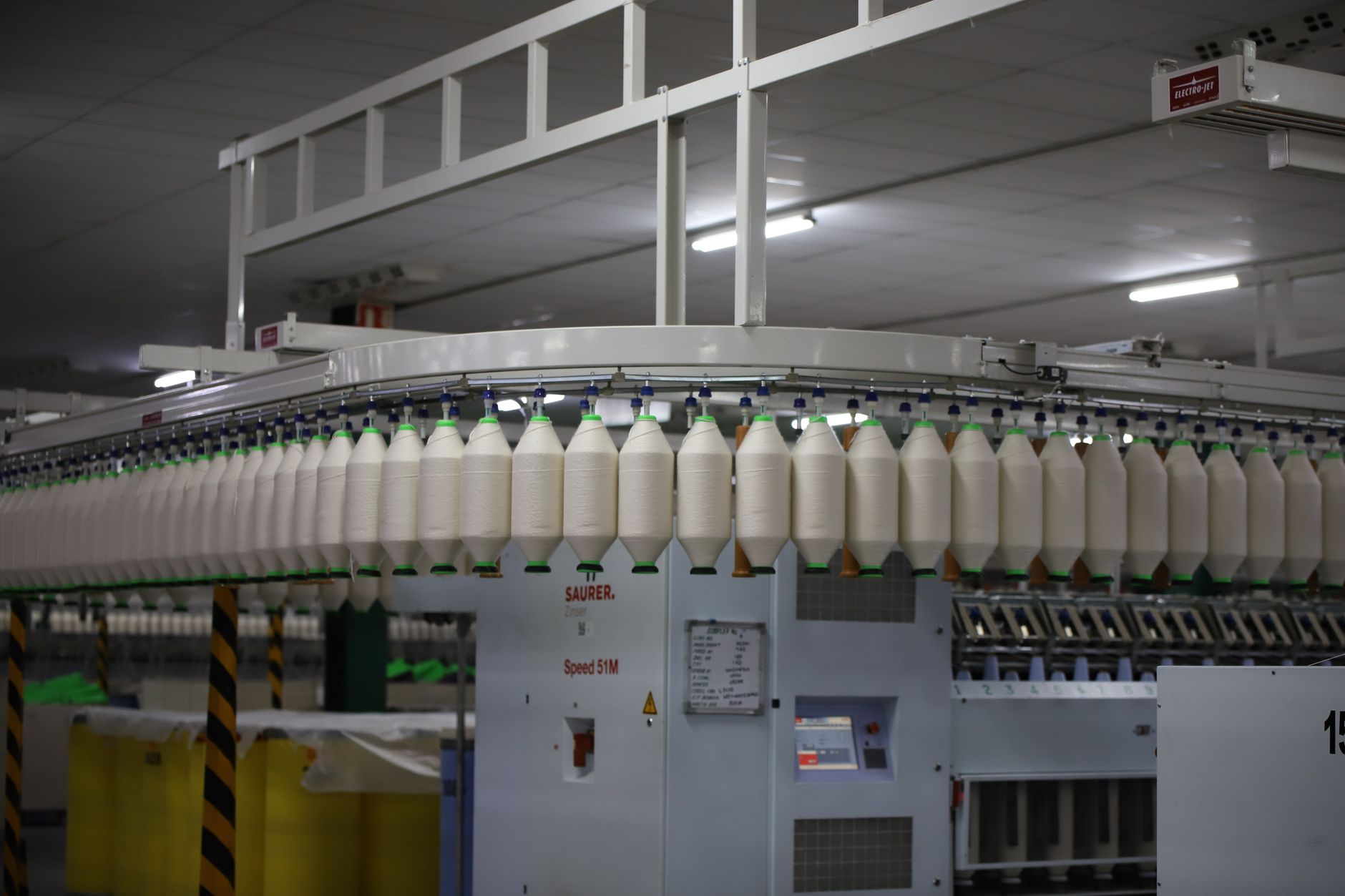
Lightera’s expansion targets the submarine segment of the fiber optics market, which differs materially from terrestrial cable manufacturing in terms of engineering complexity, materials requirements, and regulatory standards. Submarine cables must withstand extreme pressure, saltwater corrosion, and mechanical stress at depths that can exceed several kilometers. The capital commitment signals the company’s intent to position itself as a primary supplier capable of meeting the growing volume requirements placed by hyperscale technology companies, telecommunications carriers, and national broadband initiatives that are collectively funding a new generation of transoceanic cable projects.
Demand Drivers and Market Positioning
The timing of Lightera’s investment aligns with an accelerating cycle of submarine cable deployments worldwide. Industry analysts have tracked a marked increase in cable system announcements over the past two years, as major cloud platforms seek to diversify routing paths and reduce latency between data centers located across different continents. The Asia-Pacific corridor, the Atlantic basin, and routes connecting the Middle East and Africa to Europe have all seen elevated project activity, placing pressure on manufacturers to deliver fiber at scale and with shorter lead times than have historically been standard in the industry.
Lightera’s decision to expand manufacturing capacity rather than rely on third-party supply arrangements reflects a broader strategic logic: vertical integration in critical infrastructure components offers pricing leverage and supply chain predictability that are increasingly valued by large cable system operators. The company appears to be betting that the current demand cycle is structural rather than cyclical, a view supported by the multi-year planning horizons typical of submarine cable projects, which often involve investment commitments spanning five to ten years from initial design through deployment and commissioning.
Geopolitical and Infrastructure Context
The investment also arrives against a backdrop of heightened geopolitical attention to undersea cable networks. Governments across North America, Europe, and the Indo-Pacific have increasingly framed submarine connectivity as a matter of national security, not merely commercial infrastructure. Regulatory scrutiny of cable landing rights, ownership structures, and equipment sourcing has intensified, with several Western governments either funding or actively encouraging domestic and allied-nation manufacturing capacity for submarine systems. For Lightera, this environment creates both a commercial opportunity and a reputational one: manufacturers perceived as operating within trusted supply chains stand to benefit from preferential consideration in publicly backed cable projects.
Broader capital flows into critical connectivity infrastructure reflect a similar strategic logic elsewhere. Governments have channeled state resources into defense and technology sectors viewed as foundational to economic resilience, as illustrated by Israel’s defense-tech funds, which directed venture capital toward dual-use infrastructure capabilities. Lightera’s expansion, while purely commercial in structure, participates in the same macro trend of private and public capital converging on hardware that underpins the global information economy. The company has not disclosed a timeline for when expanded production capacity is expected to come fully online, nor has it indicated which specific cable system operators are expected to be among its primary customers following the build-out. Further operational detail is anticipated as the investment program matures.