Global energy markets have entered a period of acute uncertainty following a sustained wave of Houthi missile and drone strikes targeting Saudi Arabian oil infrastructure, with Brent crude breaching the $100-per-barrel threshold for the first time since early 2024. The attacks, which intensified throughout the second week of September 2026, have rattled traders, strained diplomatic channels, and reignited fears of a prolonged supply disruption capable of reshaping the energy landscape heading into the final quarter of the year. Analysts at several major investment banks have revised their year-end oil price forecasts upward by as much as 15 percent in response. With Federal Reserve rate policy already under pressure from sticky inflation, an energy price spike of this magnitude could complicate the central bank’s calculus significantly.
As NPR reported, the escalation marks a qualitative shift in the conflict’s reach, with Houthi forces demonstrating improved targeting capability against hardened facilities that were previously considered relatively insulated from such strikes. Saudi Aramco has not publicly disclosed the volume of output affected, but industry estimates suggest disruptions of between 500,000 and 900,000 barrels per day at peak moments during the attack sequences — enough to meaningfully tighten an already undersupplied global market.

Hormuz Chokepoint Adds a Second Front to Market Anxiety
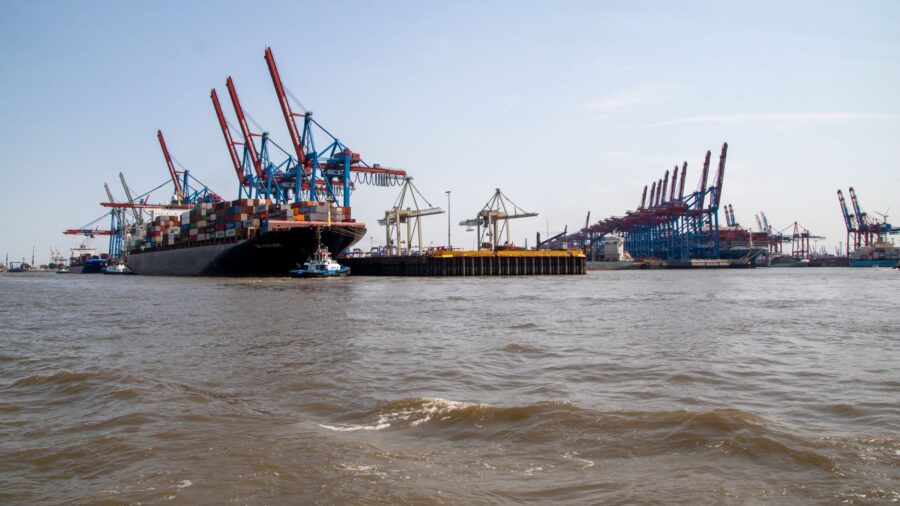
Compounding the Saudi supply concerns is the parallel threat to the Strait of Hormuz, the narrow waterway through which roughly 20 percent of the world’s oil transits daily. The United States military has been conducting active operations to keep commercial shipping lanes open, but the situation has done little to calm futures markets. According to Al Jazeera reporting, oil futures remained above $100 per barrel even as Washington confirmed it was clearing Hormuz traffic, reflecting deep skepticism among traders about the durability of any military escort arrangement in a deteriorating threat environment.
The U.S. military’s intervention has been substantial in scale. A single operational day in early September saw American forces strike 60 targets and secure passage for tankers carrying an estimated 18 million barrels of oil, according to CNN’s coverage of the operation, which officials described as the most consequential single-day action in the strait’s recent history. Despite that tactical success, forward markets have priced in a meaningful risk premium, with December 2026 Brent futures trading approximately $8 above spot prices — a contango structure that signals persistent supply anxiety rather than a short-term blip.
Yemen’s internationally recognized government has also entered the military equation directly, launching its own air strikes against Houthi positions in recent weeks. Analysts caution that this broadening of the conflict could prolong instability rather than hasten a resolution, as Houthi forces have historically absorbed military pressure without significantly curtailing their operational tempo.

Economic Fallout Spreads Beyond the Energy Sector
The downstream effects of sustained triple-digit oil prices are beginning to surface across multiple asset classes and geographies. Airline stocks in Europe and Asia fell between 4 and 7 percent in the week following the most severe Saudi strikes, as carriers face the prospect of sharply higher jet fuel costs without sufficient hedging coverage in place. Freight and logistics indices have moved in tandem, with the Baltic Dry Index rising roughly 11 percent over the same period as shippers reprice risk on routes through the Red Sea and Gulf of Aden.
For consumers and policymakers, the concern is that an oil shock of this duration could reignite inflationary pressures that central banks have spent the better part of two years trying to suppress. Gasoline prices in the United States have already climbed toward $4.20 per gallon on a national average basis, a level that historically begins to weigh on discretionary consumer spending. Investors with longer time horizons may wish to reconsider their retirement inflation strategy in light of an energy environment that could remain volatile well into 2027.
Market participants are watching three variables with particular attention in the coming days: whether Saudi Aramco confirms or downplays production losses in its next operational update, whether the United States broadens its military posture in the region beyond escort operations, and whether OPEC+ convenes an emergency session to address the supply dislocation. Any one of those developments could move crude prices by several dollars in either direction within a single trading session, underscoring just how fragile the current equilibrium has become.