
When a professional couple decided to leave stable corporate employment and circle the globe on savings, they expected the journey to be a chapter, not a turning point. What followed was an unexpected pivot: returning to South Korea to manage the wife’s family farm, a decision that reflects a growing global rethinking of what productive, meaningful work looks like in an era of persistent economic pressure. As reported by Business Insider in a feature published in September 2026, the couple’s story sits at the intersection of lifestyle economics, agricultural succession, and a broader rejection of conventional career trajectories. The trend carries real financial weight at a time when food price pressures are reshaping how societies value domestic food production.
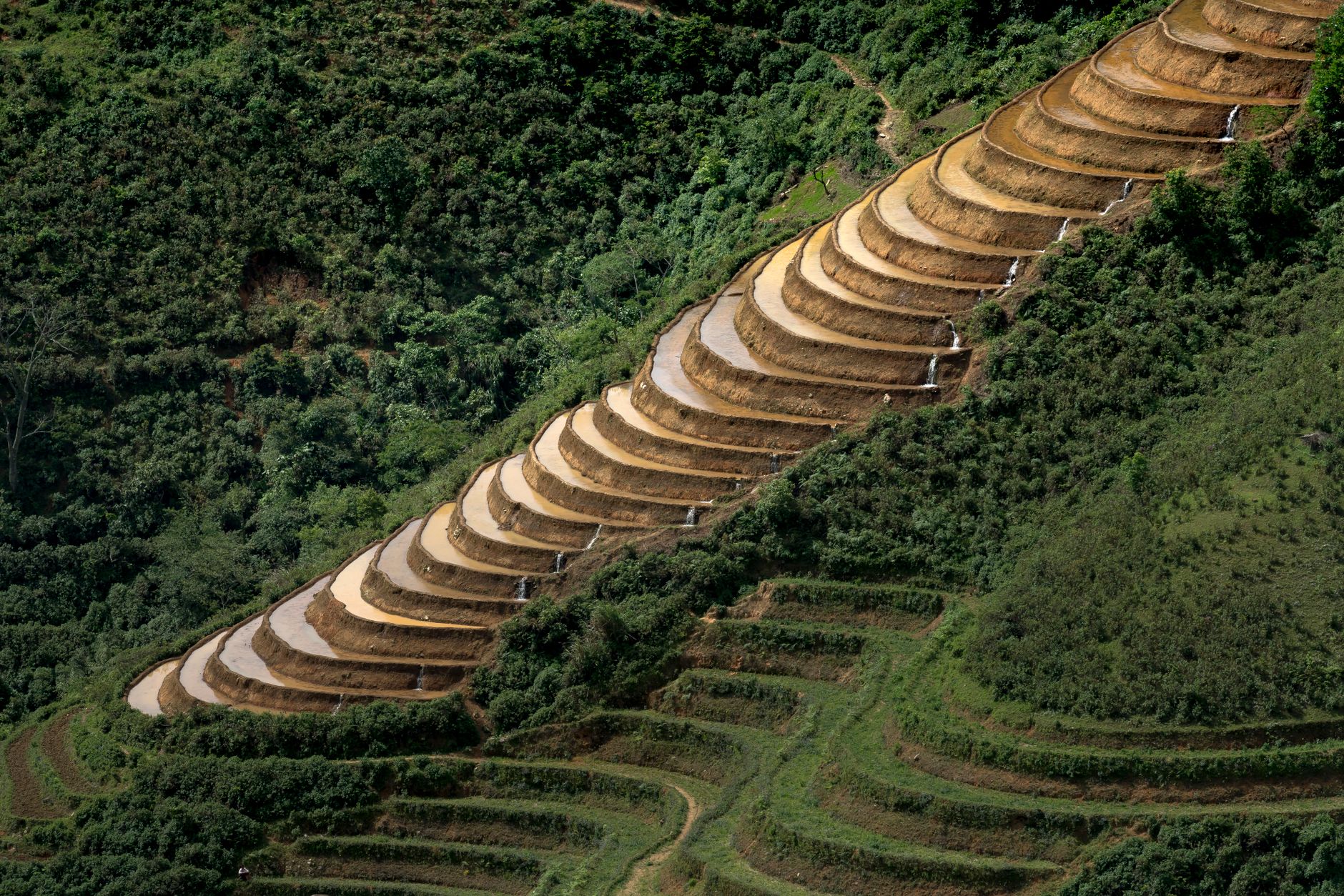
South Korea’s agricultural sector has long struggled with a succession crisis. The average age of the country’s farmers exceeds 67, according to data from the Korea Rural Economic Institute, and less than five percent of the farming population is under 40. Urban migration has drained rural communities of working-age residents for decades, leaving productive land undermanaged or consolidated into larger operations. Against that backdrop, a younger couple assuming stewardship of an established family farm represents both a personal financial bet and a structural contribution to rural economic resilience.
The Economics of Leaving Behind the Salary
Quitting salaried employment to travel is rarely a decision made lightly. For most professionals, employer-linked benefits, retirement contributions, and compounding career equity create what many in financial circles call golden handcuffs. A separate Business Insider account of a Seattle couple who left their jobs in their 30s to live aboard a sailboat captures a similar dynamic: the deliberate forfeiture of structured income in pursuit of autonomy, with the acknowledgment that re-entry into conventional employment may never follow. That piece, detailing life beyond the golden handcuffs, underscores that such transitions are increasingly visible, if not yet statistically mainstream.
For the South Korea-based couple, the economic calculus shifted when the wife’s family farm required active management. Farmland in South Korea, particularly in the southern provinces where rice and specialty crops dominate, has appreciated in value over the past decade as urban encroachment and food security concerns have driven institutional and individual interest in agricultural real estate. Operating a working farm rather than liquidating inherited land offers ongoing income potential through crop sales, agritourism, and government rural subsidy programs, which the South Korean government has expanded in recent years to slow rural depopulation. Farming income is modest by metropolitan standards, but combined with reduced living costs in rural areas, the household economics can be viable.

A Broader Signal for Post-Travel Career Paths
The couple’s story is not merely a personal anecdote. It reflects an emerging pattern among professionals who use extended travel as a reset period before committing to work that carries personal or community significance rather than simply financial return. Agricultural re-entry among younger, educated workers has been documented in Japan, Taiwan, and parts of Europe, often catalyzed by inherited land or family obligation rather than pure entrepreneurial ambition. In South Korea specifically, government programs offering financial incentives to urban residents willing to relocate and farm have had moderate uptake, with the Ministry of Agriculture reporting thousands of new rural migrants annually, though critics argue the numbers remain insufficient given the scale of the succession gap.
From a personal finance standpoint, the transition demands rigorous planning. Farming carries capital expenditure requirements for equipment, seed, and infrastructure maintenance, as well as exposure to weather risk and commodity price volatility. South Korean rice prices, for instance, have fluctuated considerably in response to import competition following trade agreements, compressing margins for smaller operations. Yet for couples willing to accept lower nominal income in exchange for asset ownership, community embeddedness, and a defined daily purpose, the farm economy offers something urban salaries rarely do: direct control over one’s productive output. Whether this model scales into a meaningful economic trend or remains a niche lifestyle choice may depend heavily on how governments structure rural support in the years ahead, and on whether food security concerns continue to elevate the perceived value of domestic agricultural capacity.