
The United States military struck multiple Iranian oil tankers in the Persian Gulf on Saturday after Islamic Revolutionary Guard Corps forces fired missiles at American Navy ships operating in waters near Iran, marking the most direct military confrontation between the two nations in years. The strikes, confirmed by the Pentagon, represent a significant escalation in a regional standoff that has been building since the collapse of diplomatic efforts between Washington and Tehran earlier this year. Analysts tracking crude oil markets warned the incident could have lasting consequences for global energy prices and supply chain stability.
According to Business Standard reporting, the exchange of fire occurred in contested maritime zones where Iranian and American forces have maintained an uneasy proximity for months. The IRGC launched what officials described as a coordinated missile salvo targeting at least two US Navy vessels, prompting retaliatory strikes against Iranian oil carriers operating in the same theater. No American casualties were immediately confirmed, though the targeted ships sustained damage that forced defensive maneuvers.
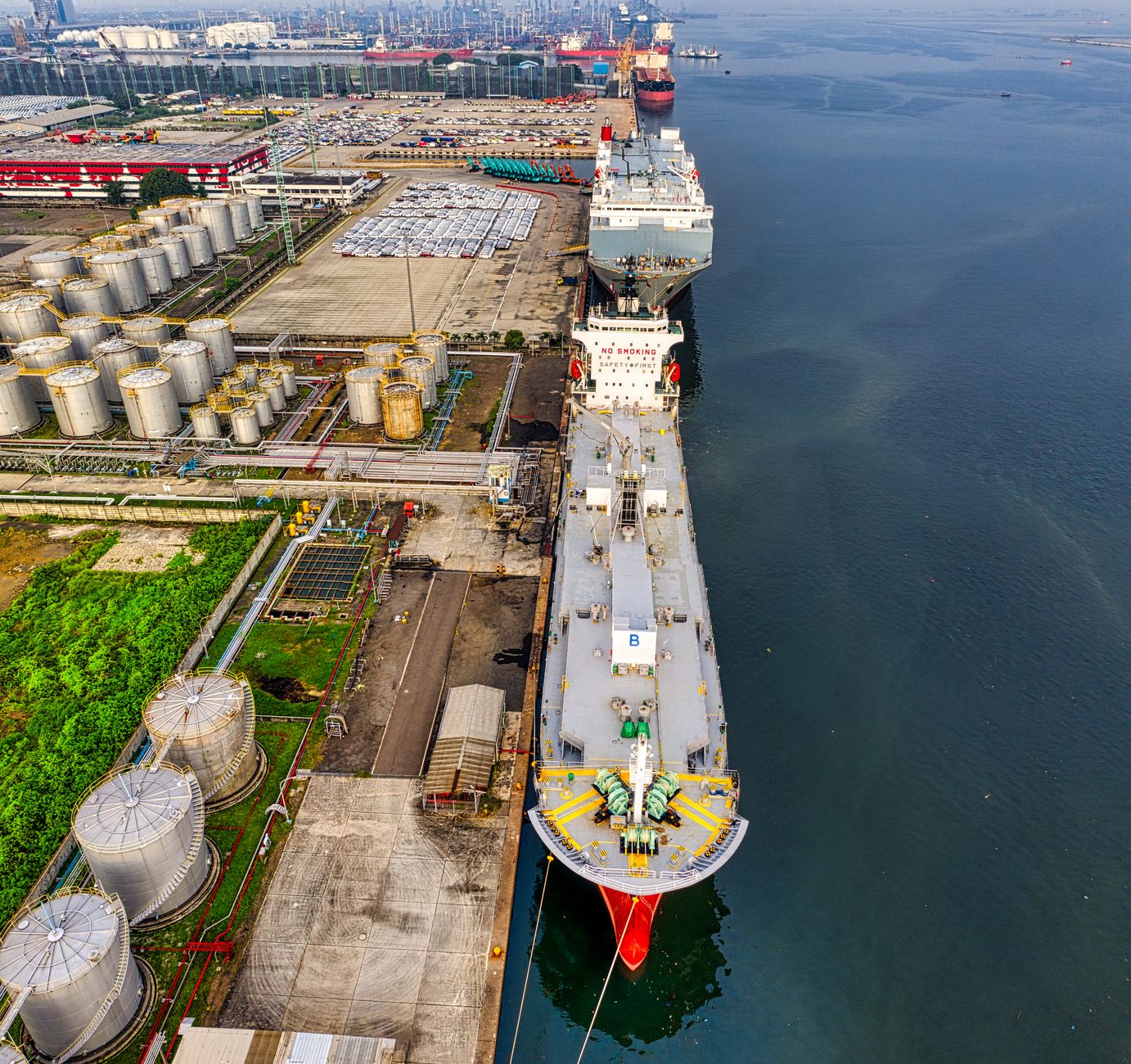
Energy Markets Reel as Hormuz Chokepoint Comes Under Threat
The strikes come at a moment of extraordinary fragility in global shipping. Traffic through the Strait of Hormuz, which at its peak facilitated roughly 20 percent of the world’s traded oil, has already been severely disrupted. According to Hormuz shipping data reported by Al Jazeera, traffic through the strait had already fallen by 95 percent prior to Saturday’s exchange, a collapse that has fundamentally restructured global energy logistics and driven rerouting costs for tanker operators to historic highs. Saturday’s strikes risk cementing that disruption into a prolonged crisis rather than a temporary shock.
Brent crude futures were on track to open sharply higher in Monday trading, with preliminary market signals pointing to a potential move above $120 per barrel depending on how diplomatic channels respond over the weekend. Energy economists noted that any sustained closure or militarization of the strait could remove millions of barrels of daily supply from reachable markets, compressing refinery margins in Europe and Asia simultaneously. Insurance underwriters have already begun reassessing war-risk premiums for tanker operators with Gulf exposure, with some brokers estimating surcharges could double or triple within days if hostilities continue.
Diplomatic Collapse Set the Stage for Military Exchange
Saturday’s confrontation did not emerge in a vacuum. A memorandum of understanding between Washington and Tehran that had provided a fragile framework for de-escalation was already under severe strain. As Al Jazeera noted in its coverage of the US-Iran MoU expiration, the agreement was set to lapse without renewal, removing one of the last structural guardrails against open confrontation. Analysts had warned for weeks that the absence of a replacement framework would leave both sides exposed to miscalculation in close-quarters naval encounters.
The Pentagon stated that the targeted Iranian tankers had been used to finance what it described as regional proxy networks, framing the strikes as a legitimate act of self-defense rather than an offensive operation. Al Jazeera’s separate coverage confirmed the US position that the Iranian oil tankers were directly linked to funding militant operations across the Middle East, a claim Tehran has rejected as a pretext for economic warfare. Iran’s foreign ministry issued a statement Saturday evening condemning the strikes as an act of aggression and reserving the right to respond, without specifying any timeline or form of retaliation.
The broader regional calculus is complex. Gulf Cooperation Council states, many of which depend on Hormuz passage for their own export revenues, are watching the situation with acute concern. Any prolonged military engagement risks drawing in third-party actors and complicating the geopolitical positioning of Asian economies that rely heavily on Middle Eastern energy imports, particularly China, India, and Japan. Beijing, which remains Iran’s largest oil customer, had not issued a formal response as of Saturday evening, though diplomatic sources suggested emergency consultations were underway at senior levels. The coming days will test whether either government has sufficient incentive to step back from the brink before the economic damage becomes irreversible.