Federal Reserve Governor Michael Barr issued a pointed warning on Monday that he would vote in favour of raising interest rates if inflation does not demonstrate convincing progress toward the central bank’s 2 percent target, adding fresh hawkish weight to a policy debate that has intensified in recent weeks. The remarks, reported by CNBC, signal that the Fed’s internal consensus may be more fractured than markets had assumed heading into the autumn policy calendar. The statement arrives at a delicate moment, with rate-sensitive asset classes already absorbing elevated volatility and investors demanding clearer guidance on the Fed’s terminal rate trajectory. Barr’s remarks align with a broader pattern of hawkish signalling from senior officials, a trend this publication has been tracking since the Jackson Hole rate-hike address delivered by Fed Chair Kevin Warsh last month.
Barr did not specify a precise inflation threshold that would trigger his support for tightening, but his language was notably firm for a governor who had previously been characterised as cautious on the question of additional increases. He pointed to services inflation in particular as a category that remains uncomfortably elevated, noting that price pressures outside of the energy and food components have not retreated at the pace the committee had anticipated when it paused its rate-hiking cycle earlier in the year. Core personal consumption expenditures, the Fed’s preferred inflation gauge, have remained above 3 percent on an annualised basis for several consecutive readings, well above the level most committee members consider consistent with durable price stability.
Barr’s Shift Adds Pressure to September Meeting
The timing of Barr’s statement carries particular significance because the Federal Open Market Committee is scheduled to convene later this month, and market participants had been pricing a near-certain hold following a run of softer employment data in July. Fed funds futures contracts, as of late Monday, showed roughly a 28 percent probability of a 25-basis-point rate increase at the September meeting, up from approximately 14 percent the prior week. That repricing reflects a market that is beginning to take seriously the possibility that the committee’s patient stance has limits, and that a coalition of governors could move to tighten if the next Consumer Price Index release disappoints.
Barr’s shift is also noteworthy because it expands the universe of voices willing to contemplate higher rates beyond the most vocal hawks on the committee. Analysts at several major fixed-income desks noted that a governor who previously emphasised financial stability risks associated with overtightening is now explicitly conditioning his stance on incoming data rather than defending a default hold. That framing gives the September meeting a live quality it did not possess as recently as two weeks ago and compresses the window in which a benign inflation print could meaningfully alter the policy calculus.
Broader Context and Market Implications
The Fed’s communication challenge has deepened in 2026 as officials attempt to manage divergent signals from the labour market and price data simultaneously. Payrolls growth has moderated, with July’s report showing a net addition of roughly 142,000 jobs, below the six-month average and consistent with a cooling but still resilient economy. Yet wage growth has remained sticky, hovering near 4.1 percent year-on-year, a figure that many economists argue is structurally incompatible with a sustained return to 2 percent inflation without a more restrictive policy stance. The interplay between these variables has made it difficult for the Fed to communicate a coherent forward path, a tension that The Fiscalist has examined in prior coverage of the Fed inflation debate in Washington.
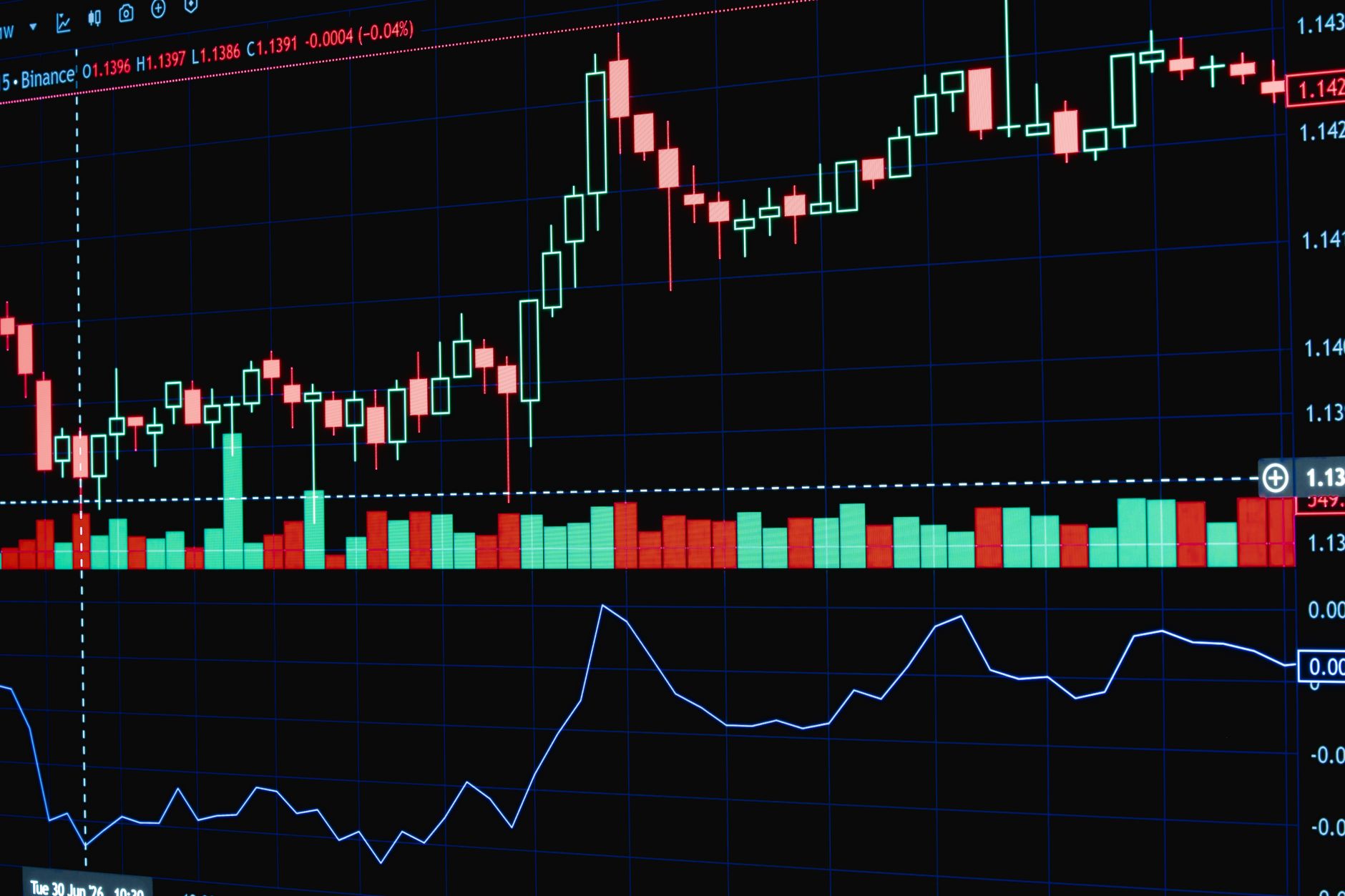
Treasury yields moved higher in response to Barr’s remarks, with the two-year note, most sensitive to near-term rate expectations, climbing approximately six basis points to reach 4.87 percent in afternoon trading. Equity markets retreated modestly, with the S&P 500 declining around 0.4 percent as rate-sensitive sectors including utilities and real estate investment trusts absorbed the bulk of the selling pressure. Currency strategists noted a corresponding strengthening of the dollar index, which rose 0.3 percent against a basket of major currencies. Should the September CPI release, due approximately ten days before the FOMC decision, print above consensus expectations, Barr’s conditional support for a hike could rapidly become a deciding vote in a closely divided committee.