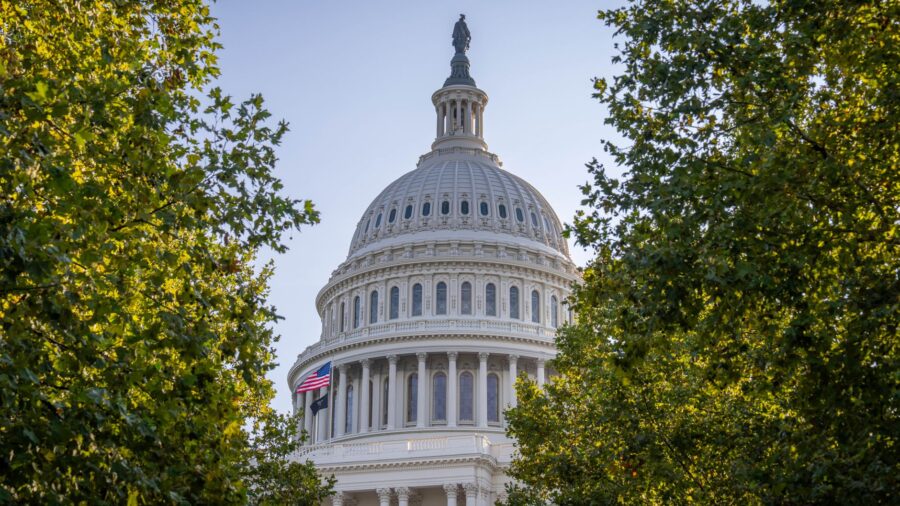
A U.S. federal appeals court has ruled against the legal operation of prediction markets, delivering a significant blow to an industry that had grown rapidly in recent years and attracted both retail participants and institutional attention. The decision, reported by CNBC’s analysis on Friday, is widely expected to set up a consequential confrontation at the Supreme Court, where the ultimate fate of event-contract trading in the United States may be decided. The ruling arrives at a moment when digital asset markets and alternative financial instruments are already under mounting scrutiny from regulators seeking clearer jurisdictional boundaries.
The appeals court sided with the Commodity Futures Trading Commission, affirming that contracts tied to the outcomes of political and social events constitute illegal off-exchange futures under existing commodity law. Prediction market platforms, which allow users to buy and sell contracts priced between zero and one dollar based on the probability of a given outcome, had argued that their products fell outside the CFTC’s regulatory purview. The court rejected that interpretation, finding that the economic substance of the contracts triggered federal oversight requirements regardless of how operators chose to structure or label them.

A Rapidly Expanding Industry Now Faces an Existential Legal Question
The prediction market sector had experienced dramatic growth in the period leading up to the ruling. Platforms in this space reported tens of millions of active users and cumulative trading volumes that, by some industry estimates, exceeded several billion dollars annually in the most recent fiscal year. Contracts covering everything from presidential election outcomes to central bank interest rate decisions had become popular instruments for both hedgers and speculators seeking exposure to macro events that traditional financial products could not easily capture.
Proponents of the industry had long maintained that prediction markets serve a legitimate price-discovery function, aggregating dispersed information from thousands of participants into a single probabilistic signal. Academic research has repeatedly found that well-functioning prediction markets outperform traditional polling and expert forecasting across a range of domains. Operators had also pointed to overseas competitors, particularly those operating in jurisdictions with lighter regulatory frameworks, as evidence that a blanket prohibition would simply push American users toward less transparent and less regulated alternatives abroad.
CNBC’s breaking news post on the ruling drew immediate engagement from market participants and legal observers tracking the case.
Supreme Court Path Seen as Near-Certain as Industry Vows to Fight On
Legal analysts broadly expect the affected platforms to petition the Supreme Court for certiorari, given the magnitude of the commercial interests at stake and the absence of settled precedent on the precise question of how commodity law applies to event-contingent contracts. If the Court agrees to hear the case, a final ruling could arrive as early as the 2027 term, though procedural timelines remain fluid. The outcome would have far-reaching implications not only for dedicated prediction market operators but also for a broader ecosystem of fintech products that use similar contract structures to offer users exposure to non-financial events.
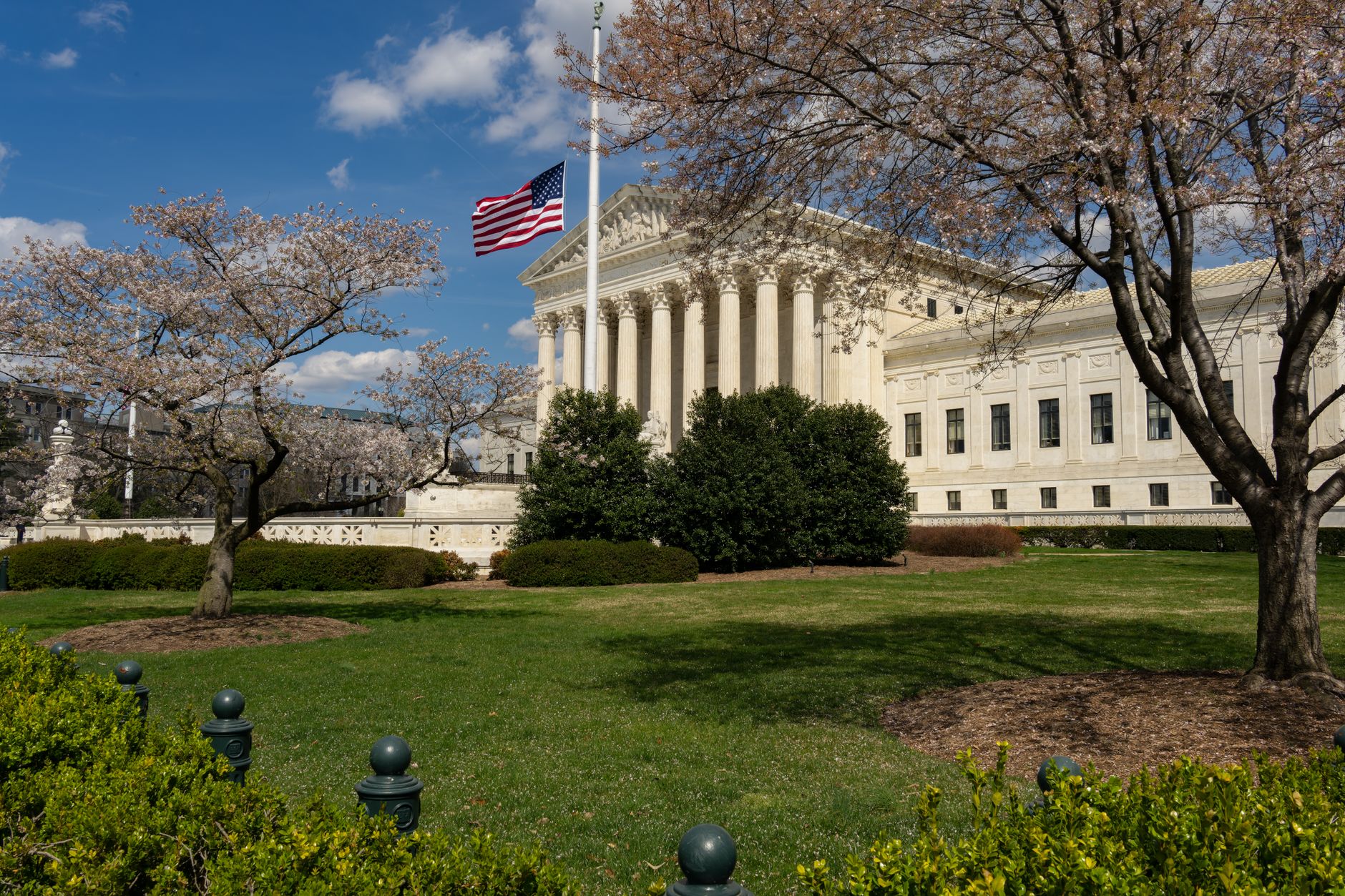
The CFTC, for its part, has maintained a consistent posture: that allowing unregulated event contracts to flourish creates systemic risks, including potential market manipulation and the blurring of lines between regulated financial activity and unregulated gambling. The agency has argued that congressional action, rather than regulatory forbearance, is the appropriate mechanism for carving out a legal space for prediction markets if policymakers determine that such a space is desirable. That position has found sympathy in certain legislative quarters, though no comprehensive bill addressing prediction market regulation has advanced to a floor vote in recent sessions.
The ruling also arrives amid a broader moment of institutional reassessment of alternative financial instruments, as debates over congressional trading rules and the boundaries of permissible market activity have intensified across Washington. Whether the Supreme Court ultimately opts to weigh in — and how it frames the central question of regulatory jurisdiction — will likely define the legal architecture for event-based finance in the United States for decades to come.