
Global equity markets suffered one of the sharpest single-day declines in recent memory on Monday as the emergence of DeepSeek, a low-cost artificial intelligence model developed in China, sent shockwaves through technology stocks and forced investors to reckon with a fundamental reassessment of AI-related valuations. The Nasdaq Composite fell roughly 3.1 percent, while the S&P 500 shed approximately 1.8 percent, with semiconductor and data center infrastructure companies bearing the brunt of the selling pressure.
Nvidia, the chipmaker widely regarded as the primary hardware beneficiary of the AI investment boom, saw its shares plunge more than 17 percent in a single session, erasing an estimated $593 billion in market capitalization — one of the largest single-day losses in U.S. stock market history for any individual company. Shares in Broadcom, Marvell Technology, and other semiconductor names fell between 8 and 12 percent, while power generation and data center cooling firms, which had rallied sharply on AI infrastructure spending expectations, gave back significant gains accumulated over recent months.
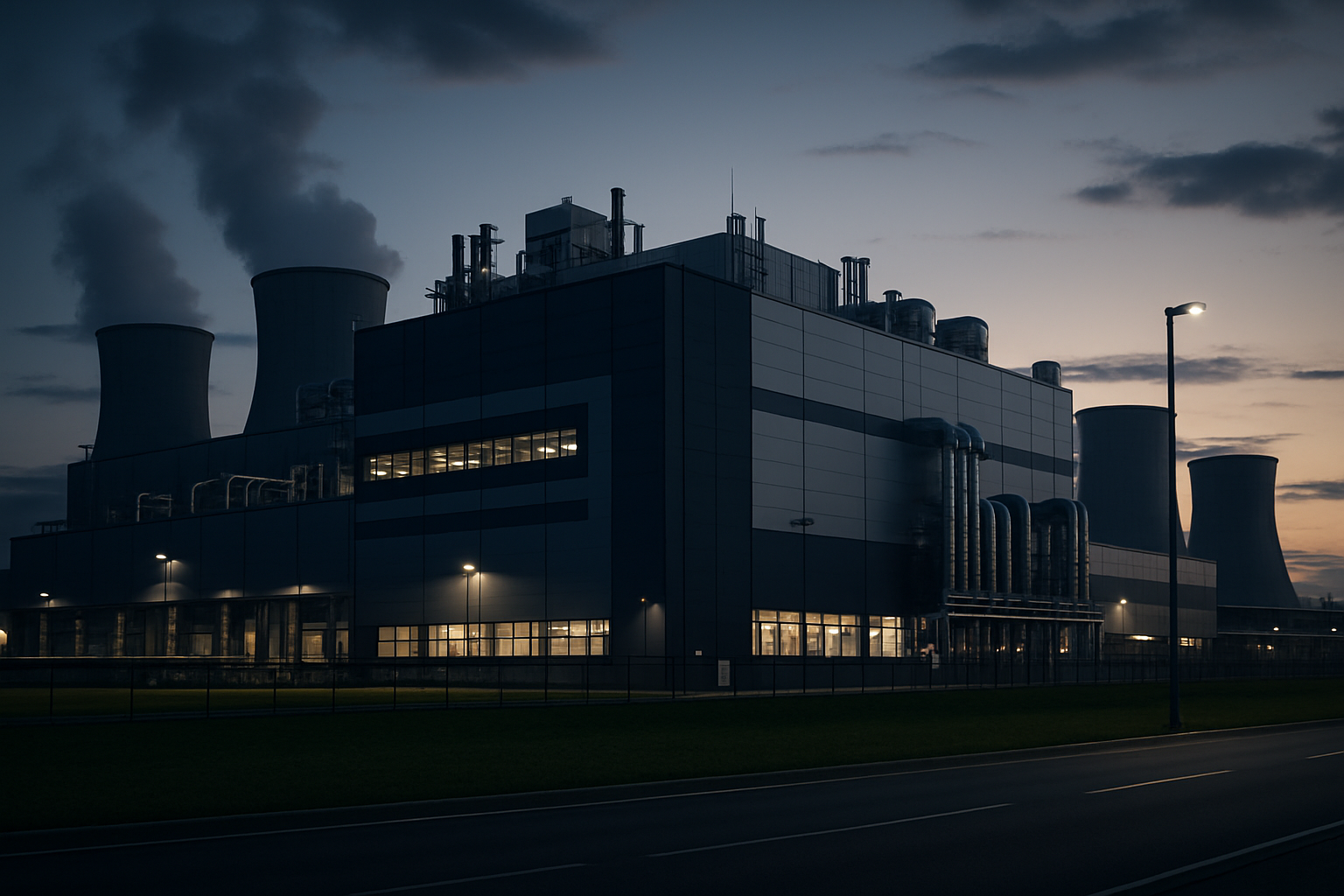
What DeepSeek Revealed About AI Economics
The selloff was triggered by growing awareness of DeepSeek’s R1 model, which Chinese developers claim was trained at a fraction of the cost of comparable American systems, reportedly requiring far fewer of the advanced Nvidia chips that U.S. firms have deployed in vast quantities. If accurate, the claims challenge a core assumption embedded in the valuations of dozens of technology companies: that the AI arms race would require ever-increasing volumes of premium hardware, sustaining multiyear capital expenditure cycles worth hundreds of billions of dollars.
Market participants had priced in an extended period of aggressive AI infrastructure build-out, with Microsoft, Alphabet, Amazon, and Meta collectively pledging more than $300 billion in capital expenditure for 2025 alone. DeepSeek’s apparent efficiency gains called into question whether that level of spending is necessary to remain competitive, or whether it represents an expensive miscalculation. Analysts at several Wall Street banks moved quickly to publish notes cautioning clients about the implications, though some argued the reaction may prove excessive once the full technical picture is understood.
Japanese markets also reflected the anxiety. According to a Wall Street Journal report, the Nikkei 225 had been positioned to benefit from a weaker yen boosting export earnings, but the AI-driven rout overwhelmed those tailwinds, pulling Japanese technology and chip-related equities sharply lower alongside their American counterparts. Tokyo Electron and Advantest, two of Japan’s most prominent semiconductor equipment makers, fell more than 10 percent each in early trading.

Investor Confidence and the Broader Fallout
The selloff exposed how concentrated the recent bull market in equities had become around a handful of AI-related themes. The so-called Magnificent Seven stocks — Apple, Microsoft, Alphabet, Amazon, Meta, Tesla, and Nvidia — had collectively accounted for a disproportionate share of the S&P 500’s gains since early 2023. Monday’s rout underscored the systemic risk embedded in that concentration, with the equal-weighted version of the S&P 500 declining far less than the market-cap-weighted index.
Energy stocks tied to AI power demand also retreated. Vistra Energy and Constellation Energy, which had surged on expectations that data centers would require enormous amounts of electricity, fell between 10 and 15 percent as traders questioned whether a more compute-efficient AI model would reduce the projected growth in power consumption. Utilities analysts scrambled to revise demand forecasts, with some suggesting the power story was not invalidated but rather pushed further into the future.
The geopolitical dimension of the episode added another layer of complexity. DeepSeek’s rise intensified already acute concerns about the competitive landscape between the United States and China in artificial intelligence. The Fiscalist has previously reported on how China-linked actors are increasingly targeting AI capabilities as a strategic priority, and Monday’s market reaction suggested investors are beginning to price in a more contested technological future than previously assumed.
Federal Reserve officials are also monitoring the implications. Earlier commentary from Cleveland Fed President Beth Hammack touched on the potential inflationary and productivity dimensions of AI, as covered in prior Fiscalist coverage of her remarks. Whether a more cost-efficient AI paradigm alters the Fed’s calculus on technology-driven productivity growth remains an open question, but it is one that policymakers are unlikely to ignore as the DeepSeek story continues to develop.