
India’s futures and options market has grown into one of the largest retail derivatives arenas in the world, drawing tens of millions of individual traders seeking quick returns. Yet the dominant narrative — that stricter position limits and higher margin requirements will solve the problem — may be missing the point entirely. The real crisis is not one of risk architecture. It is one of human behaviour, and it is proving far harder to legislate away. For context on how technology is reshaping market infrastructure globally, see this Fiscalist analysis of round-the-clock trading, which highlights how accessibility changes who enters markets and why.
According to a Livemint analysis of Securities and Exchange Board of India data and behavioural finance research, approximately 93 percent of individual futures and options traders in India recorded net losses over a recent multi-year study period. That figure alone is striking. But researchers and market observers argue the more important question is not how much money was lost — it is why traders kept returning despite consistent negative outcomes.
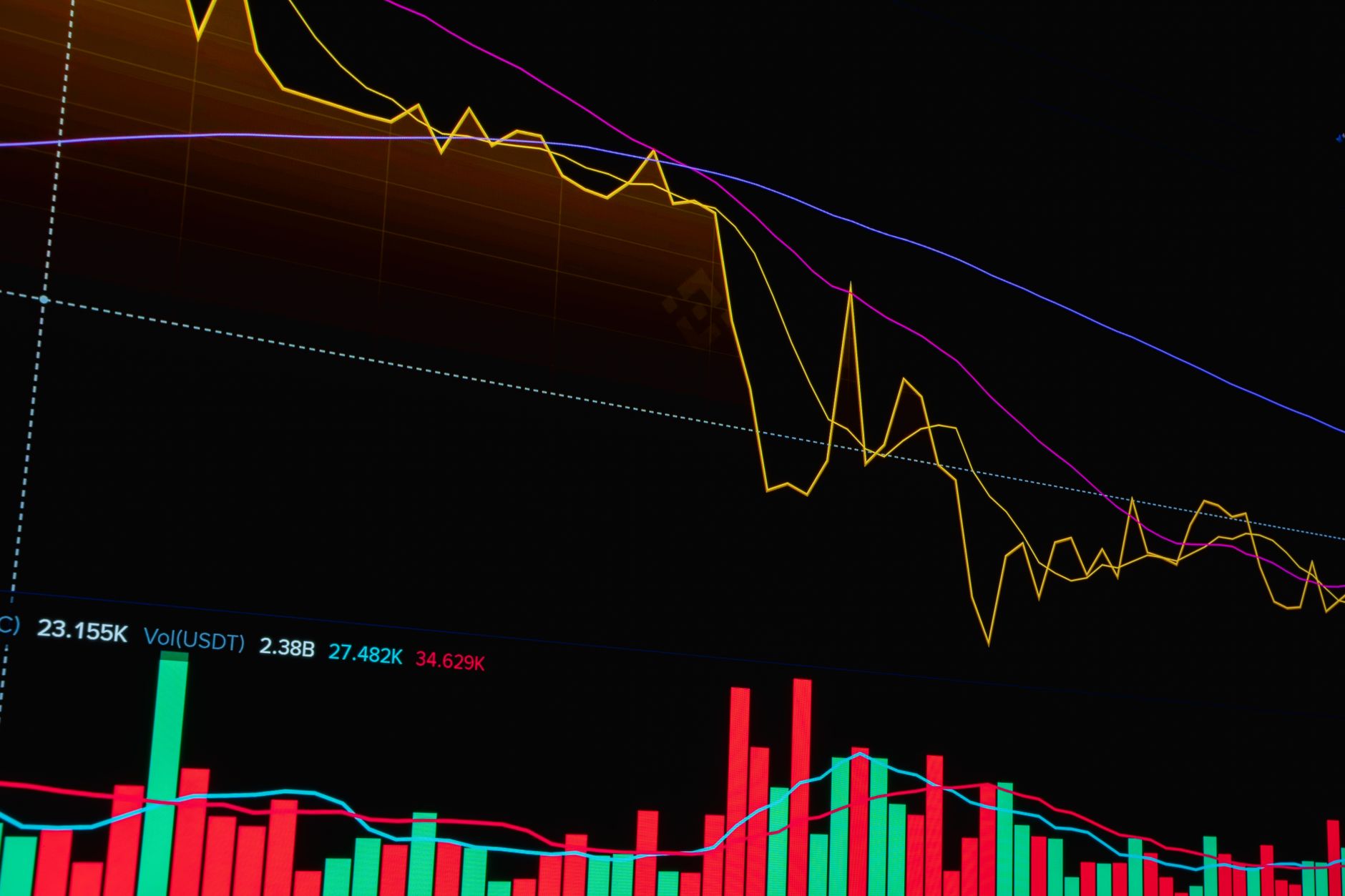
Loss Aversion in Reverse: Why Retail Traders Chase Rather Than Retreat
Behavioural finance offers a vocabulary for what is happening. Classical loss aversion theory, associated with Daniel Kahneman and Amos Tversky, predicts that individuals feel the pain of losses more acutely than the pleasure of equivalent gains. In theory, this should make retail traders cautious. In the F&O market, the opposite dynamic appears to be operating. Traders who have lost money in a given session frequently increase their position sizes in subsequent sessions, a pattern researchers describe as “loss chasing” — an attempt to recover prior losses in a single, high-stakes trade.
The structure of the derivatives market itself amplifies this tendency. Weekly expiry contracts, which now dominate Indian index options trading, compress the time horizon to days or even hours. This brevity creates an illusion of control and urgency simultaneously. A trader who might exercise patience in an equity portfolio feels compelled to act immediately in a product that expires by Friday. The market’s design, in other words, is not neutral. It interacts with cognitive biases in ways that systematically disadvantage the least experienced participants.
Regulatory Measures Have Tightened, but Behaviour Has Not Changed
SEBI has not been passive. Over the past two years, the regulator has raised minimum contract sizes, tightened margin frameworks, and reduced the number of weekly expiry products available across exchanges. These measures were designed to price out the most speculative retail activity and reduce systemic exposure. Volumes did dip in the immediate aftermath of several circulars. However, industry data suggests that active trader counts and notional turnover in index options have recovered steadily, indicating that structural deterrents alone have not altered the underlying impulse to participate.

The Livemint report draws on behavioural finance literature to argue that financial literacy campaigns and mandatory risk disclosures — while necessary — also fall short. Studies across multiple markets have shown that disclosures of loss statistics, even prominent ones placed at the point of sale, have minimal impact on trading decisions once an individual has already mentally committed to participation. Overconfidence bias leads most traders to believe that published loss rates apply to others, not themselves. This self-exemption effect is well-documented and stubbornly resistant to informational nudges alone.
What Effective Intervention Might Actually Require
Analysts and behavioural economists suggest that the solution set needs to expand well beyond disclosure requirements and margin rules. Some have proposed mandatory cooling-off periods following a defined loss threshold within a single session — a structural brake that would interrupt the loss-chasing cycle at the moment it is most dangerous. Others advocate for broker-side interventions, including algorithmic flags that prompt a pause when a retail account’s daily drawdown exceeds a preset percentage of its capital base.
There is also a deeper structural question about incentives. Brokers and exchanges earn transaction-based revenue, meaning that higher trading frequency — regardless of client profitability — is commercially advantageous. This misalignment between platform incentives and client outcomes is not unique to India; it has driven regulatory debates in the United States and across European markets. Addressing it in the Indian context may require SEBI to move beyond product-level restrictions and examine the business models that profit most directly from the behavioural patterns the regulator is trying to curtail. Until that conversation matures, the 93 percent loss figure is unlikely to move in any meaningful direction.