
Europe’s artificial intelligence infrastructure buildout is quietly reshaping the continent’s economic geography. As demand for data center capacity accelerates, developers are bypassing established technology hubs in favor of remote regions where land is cheap, power grids have headroom, and local governments are eager to attract investment. The shift marks a significant departure from the urban-centric model that defined the first generation of cloud infrastructure, and carries substantial implications for regional economies, energy policy, and tech hub development across Europe.
According to reporting by Calcalist Tech, the relocation of AI data centers away from European capitals is being driven by a convergence of operational and regulatory pressures. Urban data centers face acute constraints: electricity grid connections in major cities such as Amsterdam, Frankfurt, and Dublin are increasingly rationed, with waiting times for new connections stretching to several years in some markets. Land acquisition costs in metropolitan areas have also surged, with prime industrial sites near city centers commanding premiums that erode project economics for facilities requiring hundreds of megawatts of continuous power.
Grid Capacity Becomes the Defining Constraint
Energy availability has emerged as the single most consequential variable in European data center site selection. AI workloads are substantially more power-intensive than conventional cloud computing, with training clusters for large language models requiring continuous draws of 50 to 200 megawatts or more per facility. This demand profile is incompatible with the constrained grid infrastructure of most major European cities, where existing industrial and residential loads already push transmission capacity to its limits.
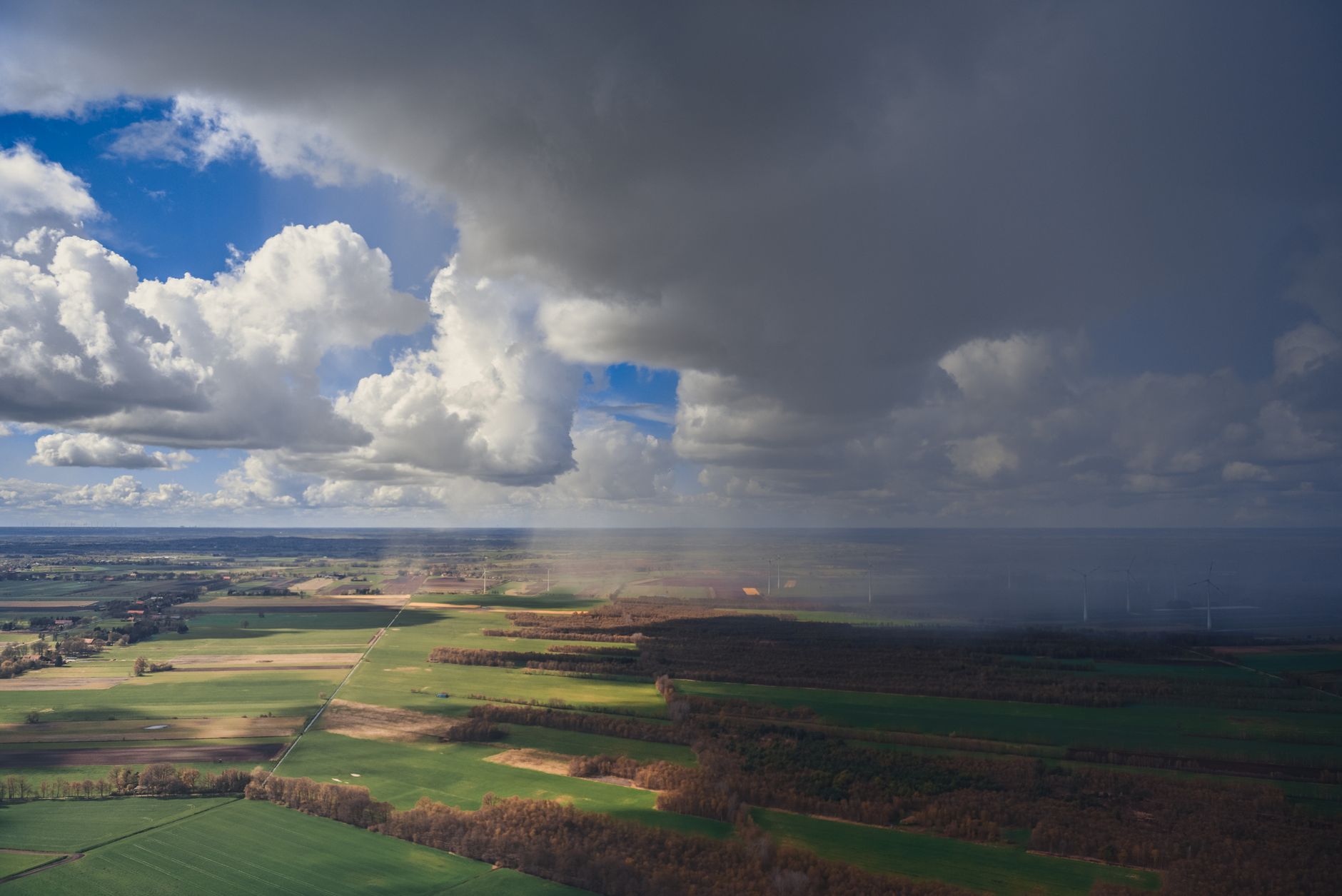
Rural and semi-rural regions in Scandinavia, the Iberian Peninsula, and Central and Eastern Europe have consequently become focal points for new development. Countries such as Finland, Sweden, and Portugal offer combinations of renewable energy abundance, relatively uncongested grid infrastructure, and natural cooling advantages that can reduce cooling-related energy consumption by up to 30 percent compared with warmer, more urbanized locations. Several Nordic municipalities have begun actively marketing themselves to hyperscale operators, offering streamlined permitting processes and direct engagement with national grid operators to accelerate connection timelines.
The financial logic is compelling. Electricity costs in rural northern Europe can run 20 to 40 percent below those in Amsterdam or Frankfurt, and land acquisition expenses for large-format campuses are a fraction of urban equivalents. For facilities that will consume hundreds of gigawatt-hours annually, these differentials translate directly into billions of euros in lifetime operating cost savings.

Regional Economies and Policy Implications
The rural migration of AI infrastructure is beginning to register in regional economic statistics across Europe. Local employment effects, while modest relative to the capital investment involved, are nonetheless significant in communities that have experienced long-term industrial decline. Construction phases for large data center campuses typically generate several thousand direct and indirect jobs, with ongoing operations requiring specialized technical workforces that command wages well above regional medians.
Governments at both the national and regional level are moving to capitalize on the trend. Several European Union member states have introduced targeted incentive frameworks covering grid connection subsidies, accelerated depreciation for qualifying infrastructure investments, and streamlined environmental permitting for projects that can demonstrate high renewable energy commitments. The European Commission has also signaled interest in coordinating member state approaches to avoid a damaging subsidy competition that could distort the single market.
Not all observers are sanguine about the pace and scale of rural data center development. Environmental groups in several Nordic countries have raised concerns about the volume of water consumed by cooling systems, as well as the land use implications of campuses spanning tens or hundreds of hectares. Some planners warn that the concentration of energy-intensive facilities in specific grid zones could create new bottlenecks and require costly transmission upgrades, ultimately passing costs to residential and industrial consumers. These tensions are likely to intensify as the fiscal arithmetic of public infrastructure subsidy comes under greater scrutiny in an era of constrained government budgets across the eurozone.
For investors tracking the sector, the geographic dispersion of European AI infrastructure represents both an opportunity and a complication. Operators able to secure long-term power purchase agreements in favorable locations stand to generate durable cost advantages. Those locked into expensive urban footprints face mounting pressure to rationalize their portfolios, or risk being undercut on price by newer, rurally situated competitors as the AI infrastructure market matures.