
Bitcoin is trading at a decisive inflection point, with technical analysts warning that the world’s largest cryptocurrency must clear a specific resistance zone before any sustained move toward $75,000 becomes viable. The digital asset has been consolidating in a narrow band, testing the patience of bulls who had expected a sharper post-halving rally by this stage of the cycle. According to a Yahoo Finance analysis, BTC must decisively break above its current resistance level to validate a bullish continuation pattern that has been forming over recent weeks. For broader context on risk appetite in financial markets, the consumer confidence decline documented among American households is adding a layer of macro caution that is spilling into speculative assets including crypto.
Bitcoin was last seen trading near the $68,000 to $69,500 range, with the resistance cluster sitting between approximately $70,000 and $71,500 — a zone that has repeatedly rejected upward advances over the past several months. A clean break above that band, on elevated volume, would open a technical path toward $75,000 and potentially beyond, according to chart-based forecasts cited in the analysis. Failure to break through, however, risks a retest of support levels closer to $64,000, which served as a floor during the most recent consolidation phase.
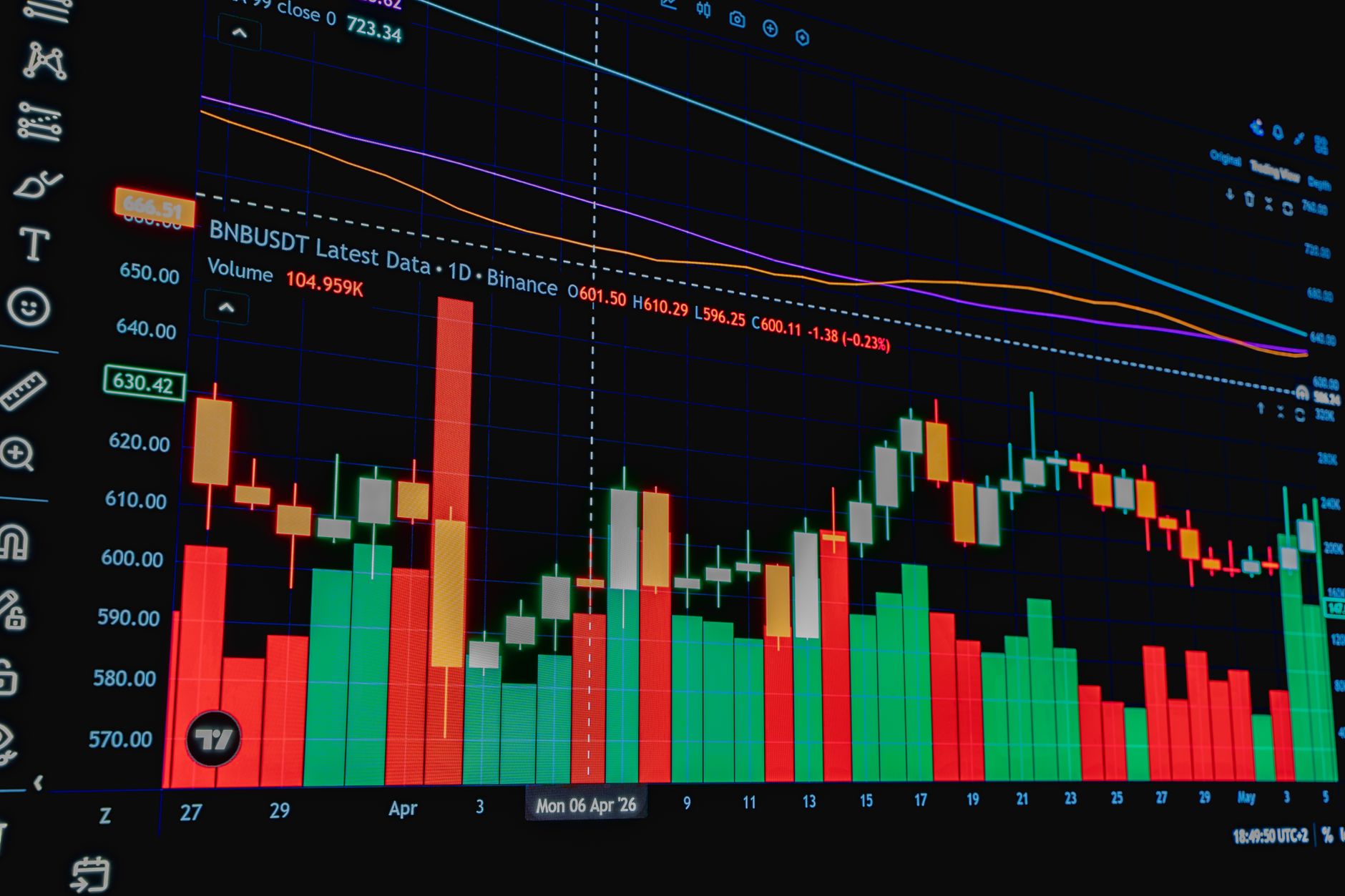
Technical Structure Driving the Forecast
Analysts tracking Bitcoin’s price action have pointed to a combination of on-chain signals and classical chart patterns as the basis for the $75,000 target. The resistance zone currently in focus corresponds with a confluence of the 50-day moving average and a prior swing high established earlier this year, creating what technicians describe as a “supply wall” where sellers have previously absorbed buying pressure. Until that wall is dismantled through sustained upside momentum, the path of least resistance remains sideways to slightly lower.
Volume profiles are central to the thesis. A breakout lacking significant volume would likely be viewed as a false signal by institutional desks, many of which have adopted algorithmic entry criteria tied to volume-weighted thresholds. Spot Bitcoin exchange-traded fund flows, which surged earlier this year following approval by U.S. regulators, have moderated somewhat in recent weeks, reducing one of the key demand catalysts that propelled BTC from below $40,000 to its all-time highs above $73,000 in the first quarter. That context makes the current resistance test particularly consequential — it will reveal whether institutional demand has genuinely consolidated at higher price levels or merely deferred.

Macro Headwinds and the Road Ahead
Beyond the chart, macroeconomic conditions are shaping investor positioning in ways that complicate a clean Bitcoin breakout. Federal Reserve policy remains a dominant variable, with market participants closely watching for any shift in the rate outlook that could either accelerate or dampen appetite for high-beta assets. Elevated Treasury yields have historically competed with speculative instruments for capital allocation, and Bitcoin is no exception to that dynamic. Traders following Treasury yield movements ahead of key Fed communications will be watching whether any dovish signals provide fresh impetus for a risk-on rotation into crypto.
Sentiment indicators across the broader digital asset market are mixed. The Crypto Fear and Greed Index has hovered in “neutral” territory, suggesting neither capitulation nor euphoria — a reading that often precedes a directional move of consequence in either direction. Options markets show elevated open interest at the $70,000 and $75,000 strike levels for near-term expiries, a positioning pattern that could amplify price movement if spot rates approach those levels and trigger gamma-related flows. Analysts emphasize that while the $75,000 target is technically credible, the timing depends almost entirely on whether BTC can engineer a convincing close above the current resistance band with volume confirmation that attracts rather than exhausts near-term demand. The next two to three weeks are expected to be decisive.