
Treasury yields edged lower on Monday as bond market participants trimmed positions ahead of the release of the Federal Open Market Committee’s most recent meeting minutes, with traders searching for clearer signals on the pace and timing of future Federal Reserve interest rate decisions. The benchmark 10-year Treasury yield slipped roughly four basis points to hover near 4.32 percent, while the 2-year note yield, which is more sensitive to near-term rate expectations, dipped to approximately 4.18 percent. Analysts noted that the modest pullback reflected a broader repricing of rate expectations rather than any single catalyst. The moves come against a backdrop of persistent uncertainty over monetary policy, a theme explored in depth in The Fiscalist’s coverage of Sachs rate outlook earlier this summer.
According to a CNBC report published Monday, investors are closely scrutinising the upcoming release of the FOMC minutes from the Fed’s most recent policy meeting, hoping the detailed record will shed light on how officials are weighing resilient labour market data against cooling inflation trends. The minutes, due for release Wednesday, are expected to reflect debate among committee members over whether the current restrictive policy stance remains appropriate or whether the bar for additional cuts has shifted meaningfully in recent weeks.

Bond Market Volatility and the Fed Day Effect
The cautious positioning in Treasuries follows a period of heightened volatility in both equity and fixed income markets. A MarketWatch analysis highlighted how so-called Fed Day sessions have produced increasingly wild intraday swings in both stocks and bonds, with what the publication described as Wall Street’s traditional crash cushion — the inverse relationship between equities and Treasuries — showing signs of erosion. When that buffer weakens, portfolio managers face compounded drawdown risk, making the interpretation of Fed communications all the more consequential for cross-asset positioning.
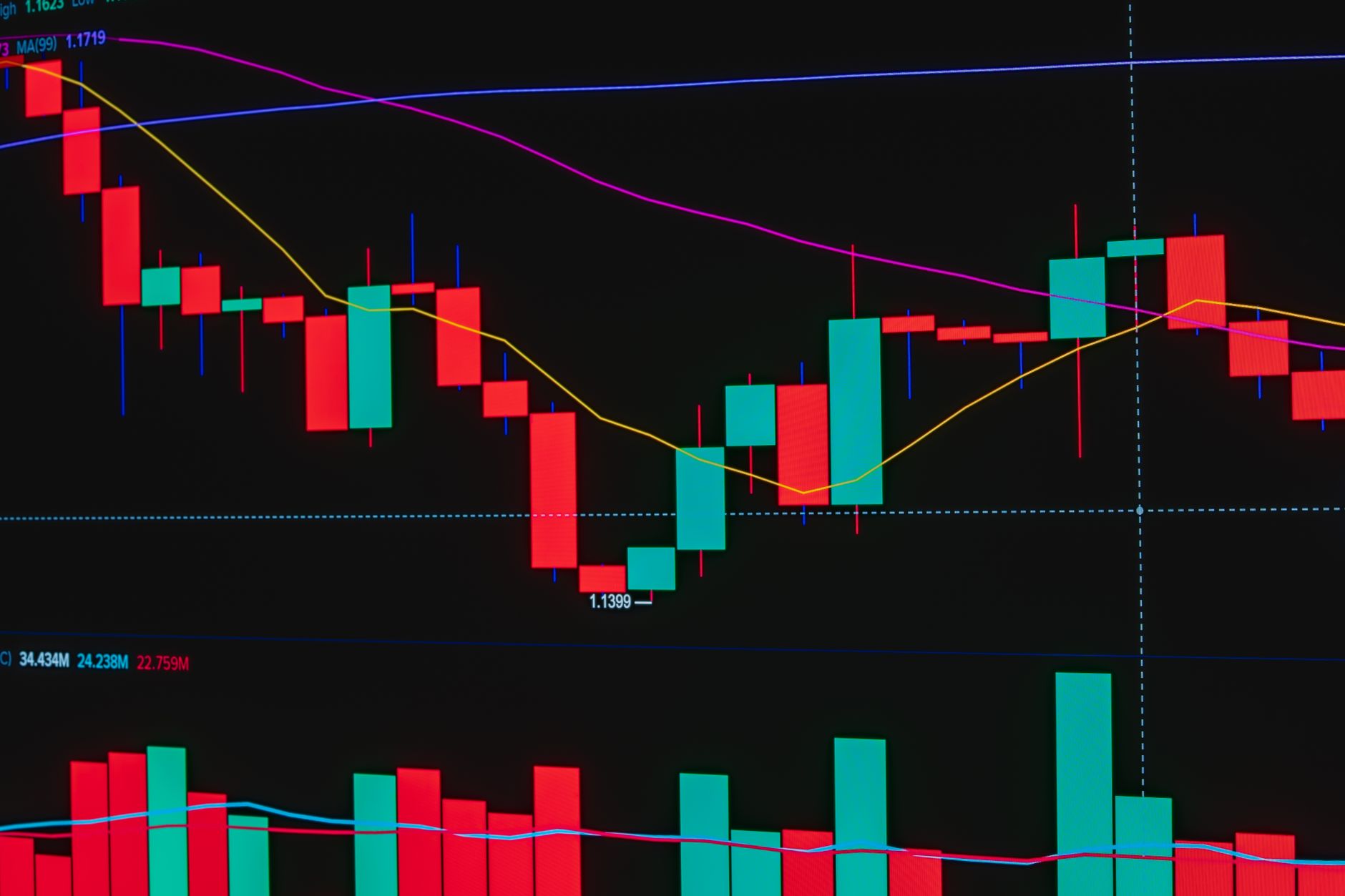
The 10-year yield has oscillated within a relatively tight band of roughly 4.20 to 4.55 percent over the past several weeks, reflecting the market’s indecision over the trajectory of Fed policy. Short-term rates have been particularly reactive, with the 2-year yield having climbed as high as 4.40 percent in late July before retreating as softer consumer price inflation data prompted a reassessment of how many additional rate reductions the Fed might deliver before year-end. Fed funds futures markets currently price in approximately one to two quarter-point cuts before December, though that consensus is fragile and highly sensitive to incoming economic data.
Rate Sensitivity and the Earnings Outlook
The stakes surrounding Wednesday’s minutes extend well beyond the bond market. Wharton School professor Jeremy Siegel has cautioned that Treasury yields are approaching levels that risk undermining the earnings-driven equity rally that has supported stock valuations through much of 2026, according to a Business Insider report. Siegel argued that if the 10-year yield were to push convincingly above 4.50 percent on a sustained basis, the discount rate applied to future corporate earnings would compress equity multiples materially, creating a meaningful headwind for large-cap growth stocks in particular.
That warning resonates at a moment when corporate earnings have broadly surprised to the upside but when forward guidance from rate-sensitive sectors, including real estate, utilities, and consumer discretionary, has grown more cautious. The interaction between monetary policy expectations and equity valuations has made the Fed’s communication calendar one of the most closely watched drivers of near-term market direction. Investors will be looking specifically for any shift in the committee’s language around the so-called neutral rate, as well as any dissenting views that might foreshadow a more hawkish tilt heading into the autumn policy meetings.
Beyond the immediate market reaction, the minutes will also be parsed for clues about the Fed’s evolving assessment of the labour market. Nonfarm payrolls data for July came in above expectations at 192,000 jobs, complicating the case for aggressive easing. With the unemployment rate holding steady at 4.1 percent and average hourly earnings growth still running at an annualised pace above three percent, officials face the challenge of calibrating policy in an economy that continues to display pockets of underlying strength even as headline inflation trends closer to the two percent target. How the committee characterises that balance in its published deliberations could prove decisive for Dow year-end targets that remain within reach but increasingly contingent on rate relief materialising on schedule.