
President Donald Trump announced this week that the United States intends to formally declare the Strait of Hormuz a US territory, an extraordinary geopolitical manoeuvre that would extend American sovereignty over one of the world’s most strategically critical waterways. The statement, made as US military operations against Iran continue, has sent shockwaves through energy markets, diplomatic circles, and international legal bodies, raising urgent questions about the future of global oil supply chains. The Russia oil revenues crisis has already demonstrated how geopolitical disruption can unravel commodity markets with breathtaking speed, and analysts warn this latest escalation could prove far more consequential.
According to Al Jazeera’s reporting, Trump made the declaration on Truth Social, stating that the US would soon formalise its claim over the strait, framing the move as a necessary step to secure freedom of navigation during the ongoing conflict with Iran. The announcement follows weeks of escalating military exchanges between Washington and Tehran, which have severely disrupted tanker traffic through the narrow channel that separates the Arabian Peninsula from Iran.

A Chokepoint Worth Trillions
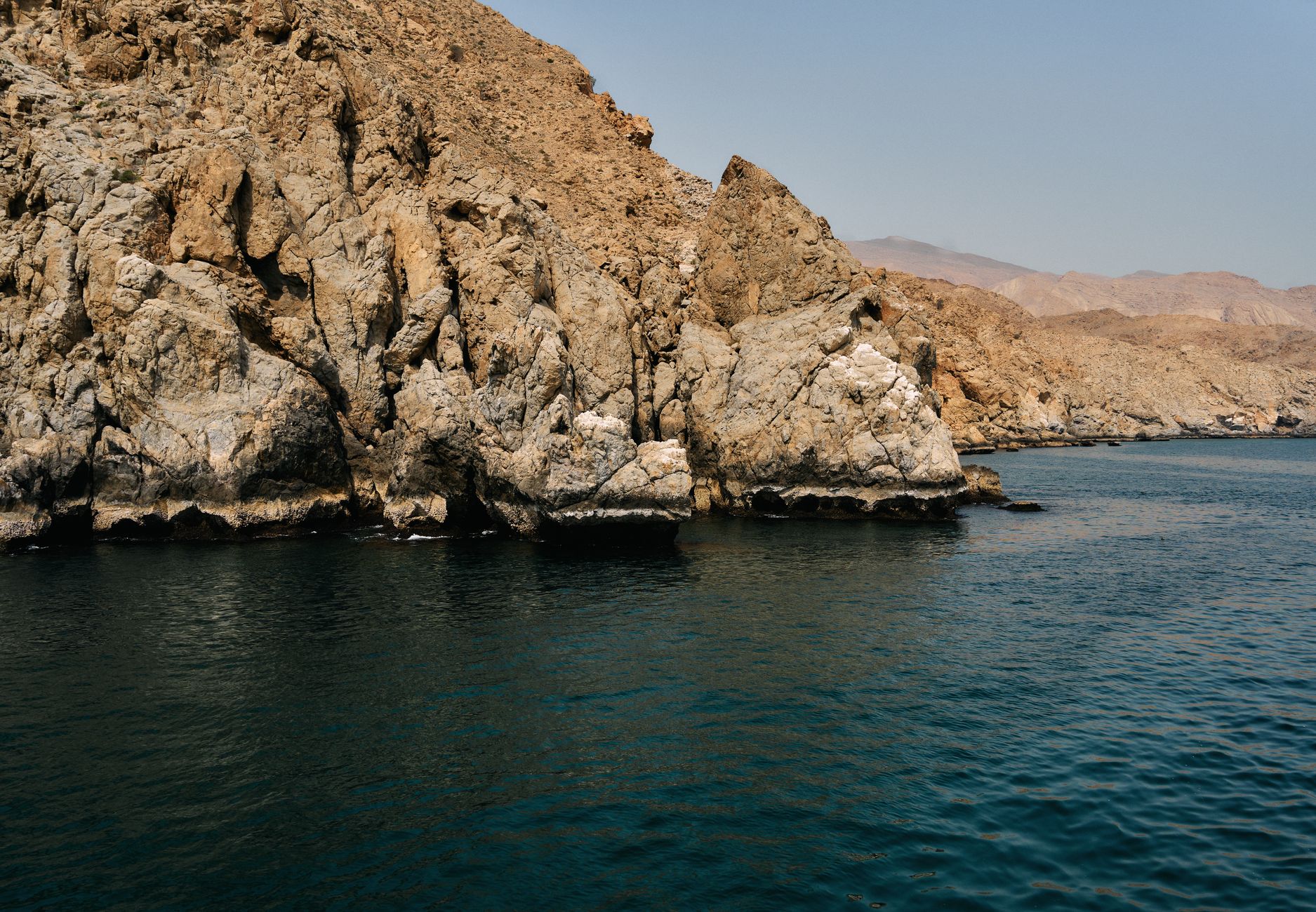
The Strait of Hormuz is unambiguously the most important oil transit chokepoint on the planet. Approximately 20 to 21 million barrels of crude oil pass through the waterway each day, accounting for roughly 20 percent of total global oil consumption and close to one third of all seaborne crude traded internationally. Any prolonged disruption — let alone a contested US territorial claim — could trigger price spikes across energy, shipping insurance, and petrochemical markets simultaneously.
Oil prices have already been volatile in recent weeks. Bloomberg energy data showed crude falling for a third consecutive session earlier this month on signs of tentative diplomatic progress toward a Hormuz access agreement, suggesting markets had briefly priced in a de-escalation scenario. Trump’s territorial declaration now appears to have reversed that calculus entirely, with traders reassessing the risk premium attached to Middle Eastern supply. Brent crude futures moved sharply higher following the announcement, though precise settlement figures remain fluid as the situation develops.
Legal analysts have been equally swift to respond. The Strait of Hormuz is governed under the United Nations Convention on the Law of the Sea, which guarantees the right of transit passage through international straits. A unilateral US declaration of territorial sovereignty would have no standing under existing international law and would almost certainly be rejected by the UN Security Council, where both China and Russia hold veto power. Iran itself has long threatened to close the strait in the event of military confrontation, and Washington’s move introduces a new and legally unprecedented layer to those tensions.
Markets and Diplomacy Under Strain
The geopolitical ramifications extend well beyond oil prices. Gulf Cooperation Council states, including Saudi Arabia, the United Arab Emirates, and Kuwait, rely almost entirely on Hormuz transit to export their hydrocarbons. A US territorial claim — however unrecognised in international law — would place those nations in the profoundly uncomfortable position of navigating sovereign waters ostensibly controlled by a foreign power. Diplomatic backchannel activity is reported to have surged in the 48 hours since Trump’s announcement, with European foreign ministries and Asian energy-importing nations seeking urgent clarification on what enforcement of such a claim might actually mean in practice.
The US-Iran MoU, a limited memorandum of understanding that had provided a thin framework for managing maritime incidents during the conflict, is also set to expire imminently, adding a further layer of instability to an already fragile situation. Analysts at several major investment banks have begun revising their near-term oil price forecasts upward, with some suggesting Brent could test levels not seen since the post-pandemic supply squeeze if the strait’s operational status becomes genuinely uncertain.
Shipping insurers are already responding. War risk premiums on tanker routes through the Gulf have reportedly climbed to multi-year highs in recent days, raising the effective cost of moving a barrel of crude from the region by a meaningful margin. For energy-importing economies in Europe and Asia, which have spent the past three years managing inflationary pressure partly driven by energy costs, a sustained Hormuz disruption represents a worst-case supply shock scenario. The Reserve rate outlook could itself be complicated if a commodity price surge rekindles inflation just as central banks had begun to signal a more accommodative stance. Whether Trump’s declaration amounts to a negotiating posture aimed at extracting concessions from Tehran or a genuine policy intent remains, for now, the defining uncertainty for markets.