
Uber Technologies has struck a major autonomous vehicle partnership with Chinese self-driving firm Pony.ai, agreeing to deploy a fleet of 2,000 robotaxis across Europe in what ranks among the most ambitious driverless mobility agreements the region has seen. The deal, reported by CNBC, signals Uber’s accelerating push to embed autonomous technology into its core ride-hailing network and underscores the growing global reach of Chinese artificial intelligence companies despite intensifying geopolitical scrutiny. The partnership comes at a pivotal moment for the AI technology sector, where competition between Western and Chinese developers is reshaping corporate strategy across industries.
Under the terms of the agreement, Pony.ai vehicles will be integrated directly into the Uber app, allowing passengers in select European cities to hail autonomous rides through the platform they already use. While neither company disclosed the full financial structure of the arrangement, the scale of the deployment — 2,000 vehicles — represents a substantial capital commitment and would, at average autonomous vehicle production costs, imply an asset base valued in the hundreds of millions of dollars. Uber confirmed the rollout is expected to begin in the coming months, with an initial focus on high-density urban markets where regulatory frameworks for driverless vehicles are already taking shape.

Pony.ai’s European Ambitions and the Chinese Technology Push Westward
Pony.ai, which completed its Nasdaq initial public offering in late 2024, has been methodically expanding its operational footprint beyond China, where it has logged millions of autonomous kilometres across cities including Beijing and Guangzhou. The company’s technology stack centres on a proprietary sensor fusion system combining lidar, radar, and camera inputs, and its vehicles have demonstrated the ability to navigate complex urban traffic without human intervention. Europe presents a significant commercial opportunity: the continent’s ride-hailing market is projected to exceed 40 billion euros in annual revenues by the end of the decade, according to industry estimates, yet autonomous penetration remains minimal compared with pilot programmes underway in parts of the United States and China.
The deal also reflects a broader pattern of Chinese technology companies seeking to commercialise their AI investments in international markets, even as governments in the United States and European Union weigh tighter restrictions on Chinese software embedded in critical transport infrastructure. Pony.ai will need to satisfy regulators in each jurisdiction where it seeks to operate, a process that has historically added years to autonomous vehicle timelines in Europe. Officials in Brussels have been developing updated frameworks for autonomous and connected vehicles, but approval processes remain fragmented across member states, meaning Pony.ai’s expansion will likely proceed city by city rather than on a continent-wide basis simultaneously.
Uber’s Autonomous Strategy and the Path to Profitability
For Uber, the Pony.ai partnership is part of a wider autonomous vehicle strategy that now includes agreements with Waymo and several other driverless developers across different geographies. The company has consistently framed robotaxi integration as a long-term driver of margin expansion: by reducing reliance on human drivers, Uber stands to improve its take rate — currently estimated at roughly 27 to 29 percent of gross bookings — while lowering the variable costs associated with driver incentives and promotional pricing. Autonomous fleets, once deployed at scale, could structurally alter that economics, though analysts caution that high vehicle maintenance, insurance, and remote operations costs will compress early-stage gains.
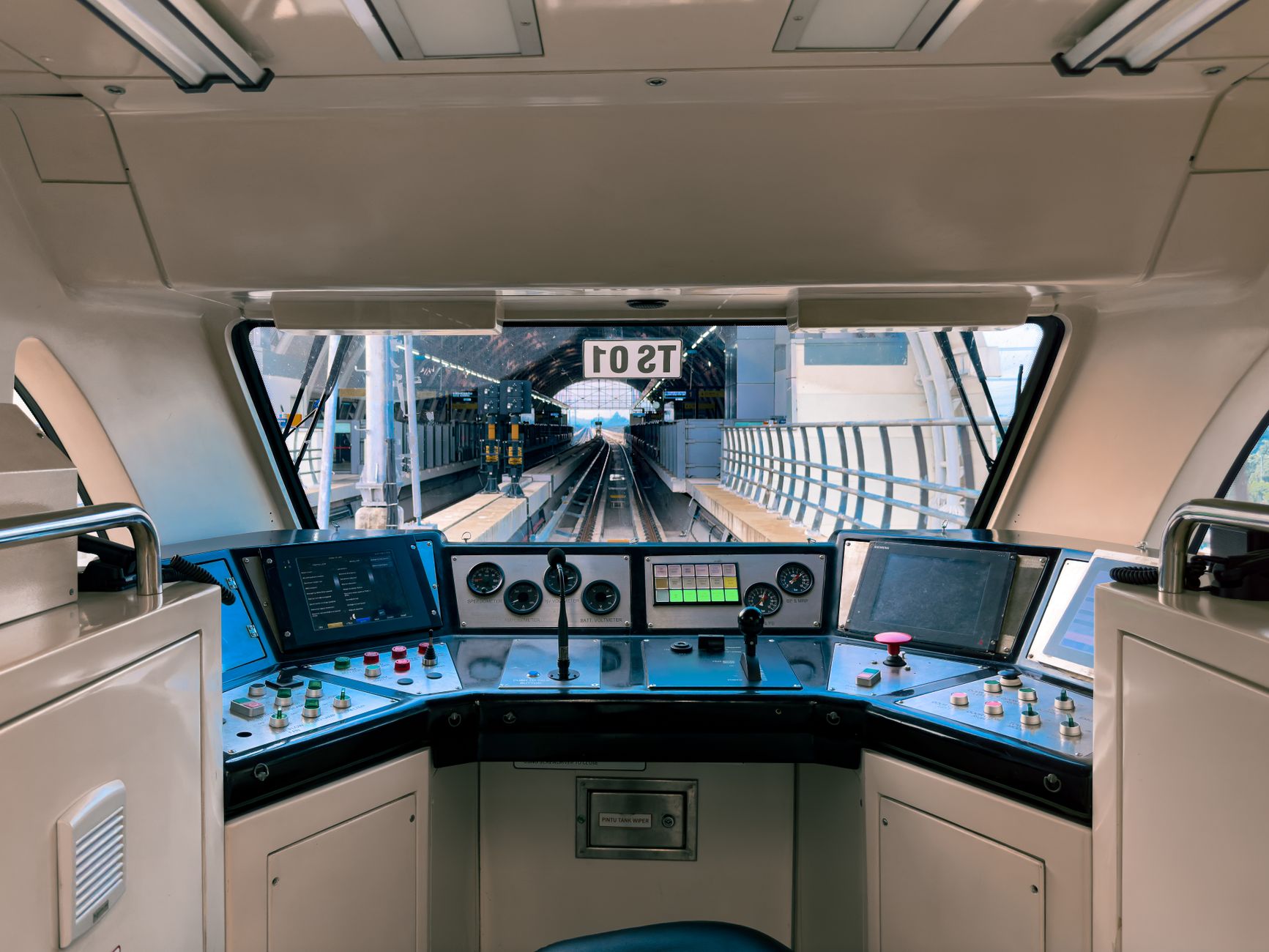
Uber’s share price has broadly reflected investor optimism around autonomous technology, with the stock having risen substantially over the past year as the company demonstrated improving profitability in its core business. Adding 2,000 Pony.ai vehicles to its European network would not materially move Uber’s global trip volume in the near term — the platform facilitated roughly 10 billion trips in its most recent full financial year — but the symbolic and strategic weight of the announcement is considerable. It positions Uber as the preferred distribution partner for autonomous fleets globally, a role that could prove extremely valuable as the driverless market matures. Whether regulators across Germany, France, the United Kingdom, and other major European economies will grant the operational licences required to make that vision a reality remains the central uncertainty hanging over the partnership’s timeline.