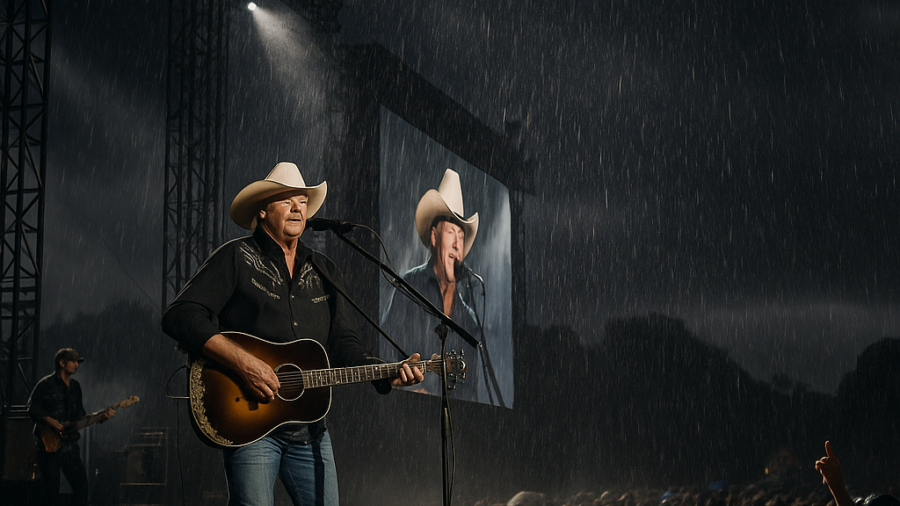
The farewell concert of country music legend Alan Jackson at Nashville’s Nissan Stadium descended into disorder on Saturday evening after severe weather swept through Middle Tennessee, forcing organizers to delay the performance and compelling tens of thousands of fans to seek shelter inside the venue’s concourses and surrounding structures. The episode cast an uncomfortable spotlight on the financial and logistical vulnerabilities inherent in large-scale live entertainment events, an industry that generated an estimated $31 billion in North American ticket revenue in 2024 alone.
The Daily Mail reported that the weather emergency struck just as fans were settling into what was widely billed as a once-in-a-generation farewell event for the 66-year-old Georgia-born singer, who announced his retirement citing a progressive neurological condition. Crowd estimates placed attendance in the range of 60,000 to 70,000 people, making it one of the largest single-night concert events in Nashville’s recent history and one whose disruption carries measurable economic consequence for vendors, hospitality operators, and the broader lower Broadway entertainment district.
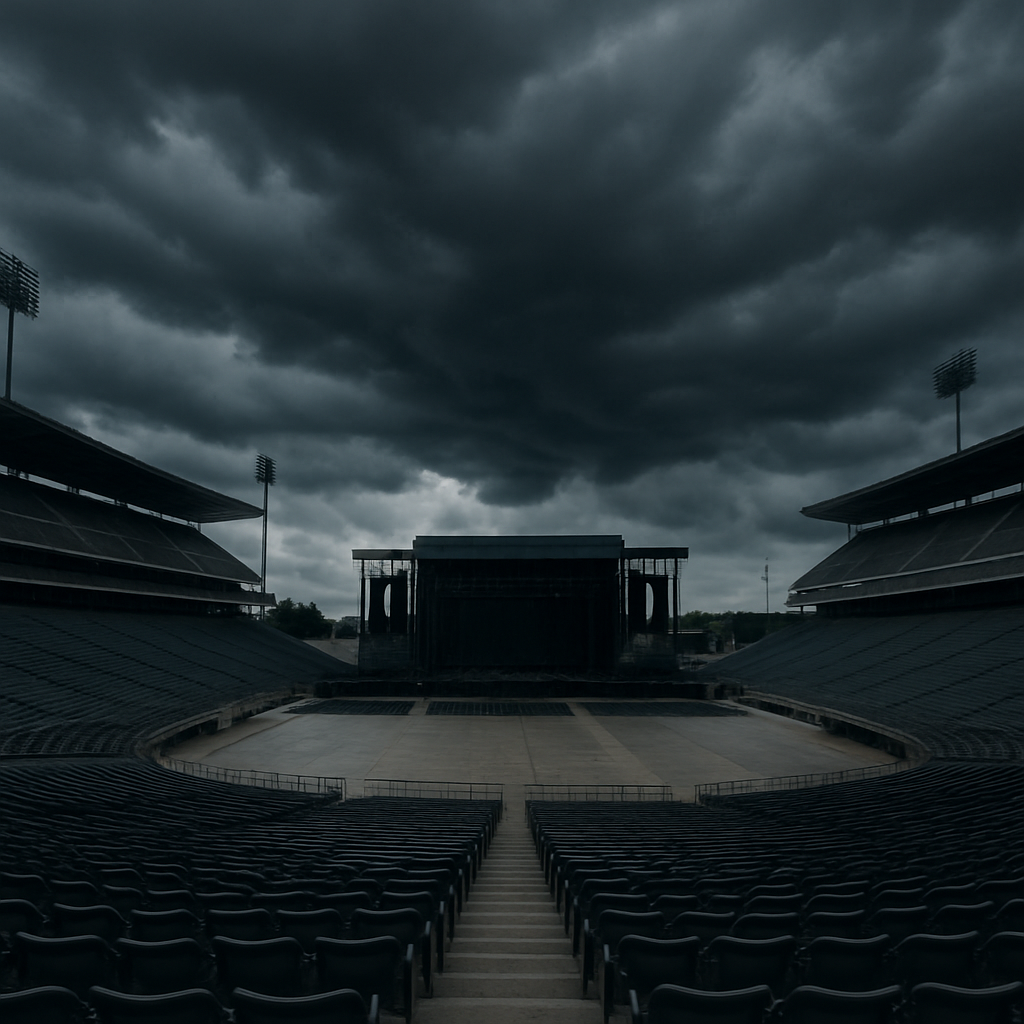
Event weather delays of this magnitude typically trigger a cascade of financial exposures. Industry analysts estimate that a two-hour delay at a venue of Nissan Stadium’s capacity can cost concessionaires alone upward of $500,000 in lost or deferred sales, while transportation and logistics contractors may face penalty clauses if equipment is held beyond contracted windows. Insurance products covering weather-related cancellations or delays, commonly structured as parametric policies tied to National Weather Service alerts, are standard for stadium-scale events, though exact policy terms for Saturday’s show have not been disclosed by promoters.
Nashville’s tourism and hospitality sector had positioned the Jackson farewell as a significant revenue event. The city’s Convention and Visitors Corporation has previously estimated that a single major stadium concert can generate between $30 million and $50 million in direct and indirect local economic activity, encompassing hotel bookings, restaurant spending, and ground transportation. A disrupted event, even one that ultimately proceeds, risks compressing that figure by 15 to 25 percent depending on the length and severity of the delay, according to event economics models used by regional destination marketing organizations.
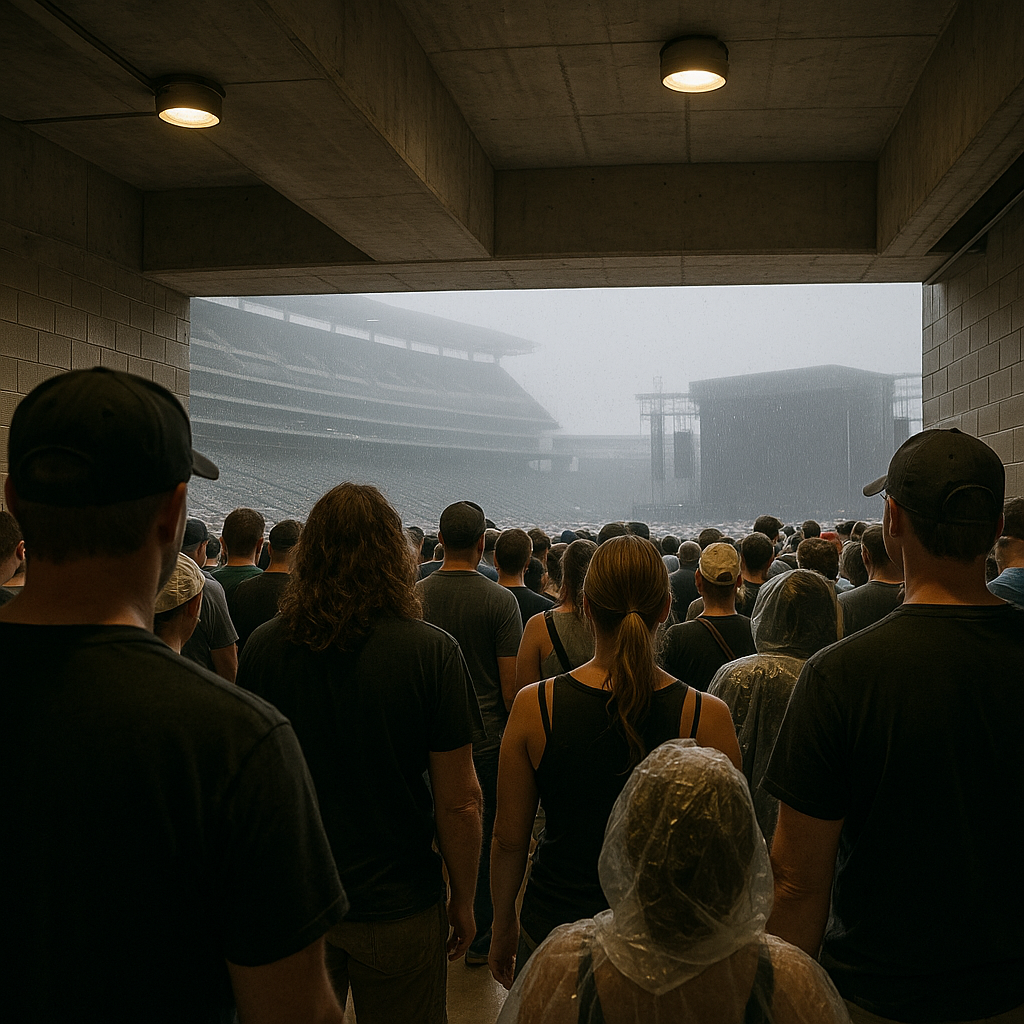
The incident also arrives at a moment of broader stress in consumer discretionary spending. Analysts have flagged softening demand in premium entertainment categories as households reassess budgets amid persistent inflation pressures — trends that The Fiscalist has previously tracked in the context of Federal Reserve rate policy and its downstream effects on discretionary consumption. Jackson ultimately took the stage after the weather delay cleared, completing his scheduled setlist to a crowd that remained largely intact despite the disruption, offering promoters some relief against what could have been a far costlier outcome had the event required full cancellation.