
China’s consumer price inflation decelerated sharply in July, missing analyst expectations and reinforcing concerns that the world’s second-largest economy continues to struggle with entrenched demand weakness. Official data released by the National Bureau of Statistics showed the consumer price index rose just 0.5 percent year-on-year in July, down from 0.6 percent in June and below the 0.6 percent consensus forecast. The softer reading adds to a growing body of evidence that Beijing’s policy stimulus measures have yet to translate into durable domestic spending momentum. Broader market sector watchers have increasingly flagged China’s deflationary undertow as a systemic concern rather than a transitory dip.
The producer price index, a closely watched gauge of factory-gate pricing and upstream cost pressures, fell 2.4 percent year-on-year in July, extending a streak of negative readings that has now persisted for more than two years. That figure came in slightly worse than the 2.3 percent decline economists had projected, underscoring the deflationary forces still coursing through China’s industrial supply chain. Manufacturers continue to absorb falling revenues as global demand for Chinese exports softens and domestic consumption fails to compensate. The Straits Times report noted that the dual miss on both consumer and producer prices has amplified calls for the People’s Bank of China to act more decisively on monetary easing.
Food Prices and Core CPI Paint a Divided Picture
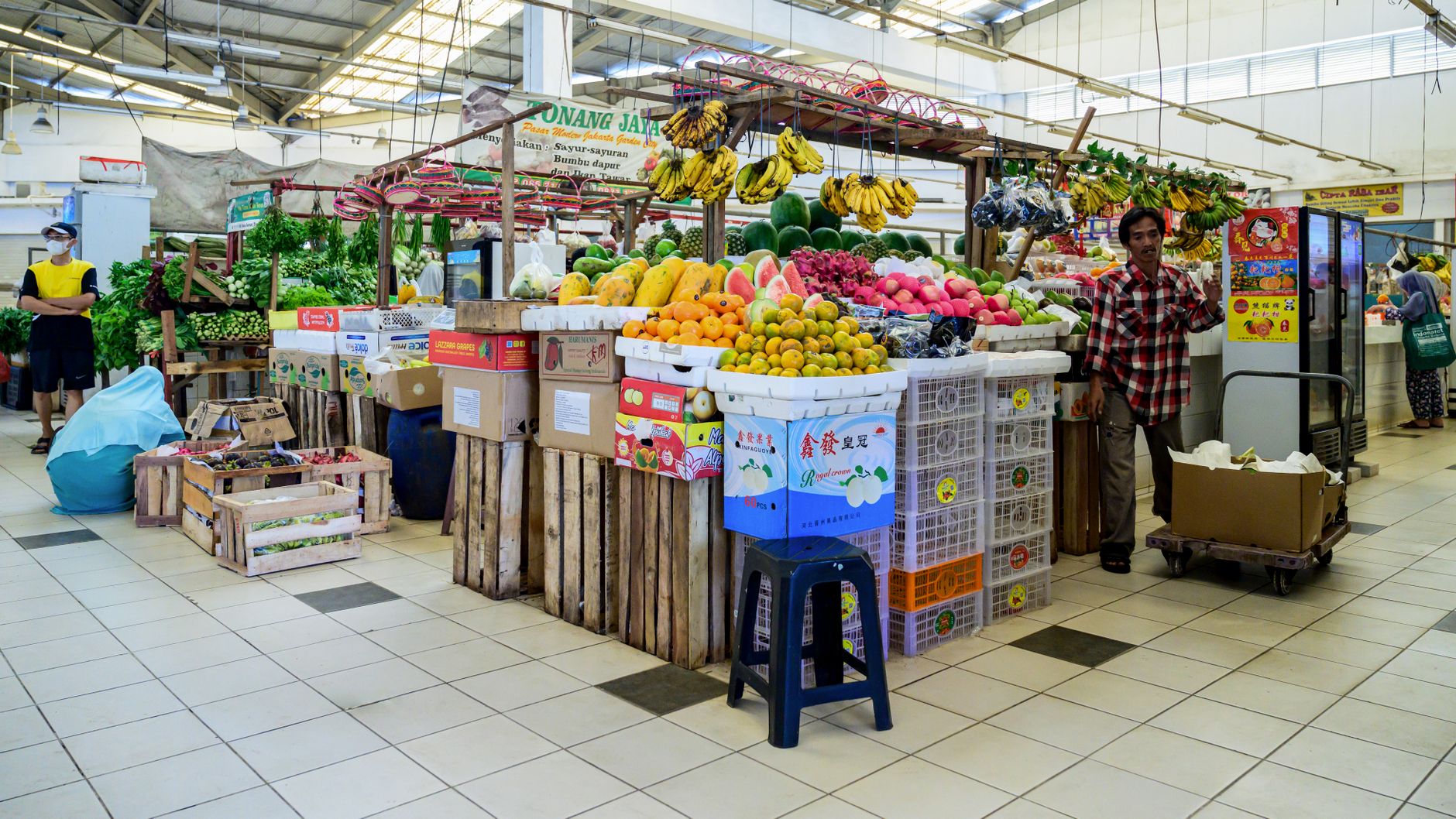
Within the consumer price basket, food prices provided a modest counterweight to broader disinflationary pressures. Pork prices, historically a volatile component of China’s CPI calculation, posted a year-on-year increase driven by tighter hog supplies following disease-related culling earlier in the cycle. Vegetable prices also climbed on seasonal factors. However, these gains were insufficient to lift headline inflation meaningfully, as non-food categories remained essentially flat. Core CPI, which strips out food and energy, edged up 0.4 percent year-on-year, signalling that underlying consumer demand remains tepid at best.
Energy-related components continued to weigh on the overall index, reflecting the sustained decline in global crude oil prices over recent months. Domestic fuel costs tracked international benchmarks lower, contributing to a drag on the transportation and household energy sub-indices. Analysts noted that even as pork and fresh food offered some price support, the structural disinflationary trend tied to weak purchasing confidence and a still-depressed property sector is proving resistant to short-term commodity movements. The data reinforces why discussions around Beijing’s economic direction have intensified, with observers drawing parallels to the kind of demand-side constraints examined in coverage of rate uncertainty and its effect on global capital allocation.
Policy Pressure Mounts as Deflation Risk Lingers
The back-to-back monthly disappointments on inflation have sharpened the debate over whether China’s current policy toolkit is calibrated adequately for a prolonged low-price environment. The People’s Bank of China has already trimmed benchmark lending rates and reduced reserve requirement ratios this year, but transmission to real economic activity has been uneven. Credit demand from the private sector, particularly small and medium-sized enterprises, remains subdued. Local government fiscal constraints, stemming in part from the protracted property market correction, have limited the scale of infrastructure-led stimulus that might otherwise boost aggregate demand and push prices higher.
Economists are increasingly framing China’s situation as a demand-gap problem rather than a supply shock, which complicates the policy response. Traditional monetary easing may do little to lift prices if households remain reluctant to spend due to weak income expectations and falling property wealth. Some analysts have begun calling for direct fiscal transfers or consumption vouchers to stimulate retail activity, measures that China’s leadership has so far deployed only in targeted, modest form. With the full-year CPI trajectory now pointing well below the government’s unofficial target of around three percent, the pressure on policymakers to act more boldly before year-end is building. Markets will watch the next batch of activity data, including retail sales and industrial output figures, for signs of whether July’s price weakness reflects a temporary soft patch or something more persistent.