
A wave of closely watched earnings reports from artificial intelligence infrastructure and semiconductor companies is set to test investor conviction in the AI-driven capital spending cycle, with CoreWeave, Nebius Group, Lumentum Holdings, and Applied Materials among the names scheduled to report in the coming days. The results arrive at a pivotal moment for the sector, as Wall Street seeks confirmation that surging demand for AI-driven pipelines is translating into durable revenue growth rather than one-time windfalls from hyperscaler buildouts.
CoreWeave, which completed one of the year’s most anticipated initial public offerings in March 2025, has quickly become a bellwether for GPU cloud infrastructure demand. The company, which leases Nvidia graphics processing units to AI developers and enterprise clients, is expected to post revenues that reflect the breakneck pace of data center expansion across North America. Analysts will scrutinize its margins closely, given the capital-intensive nature of its model and the debt load it carried into its public debut.
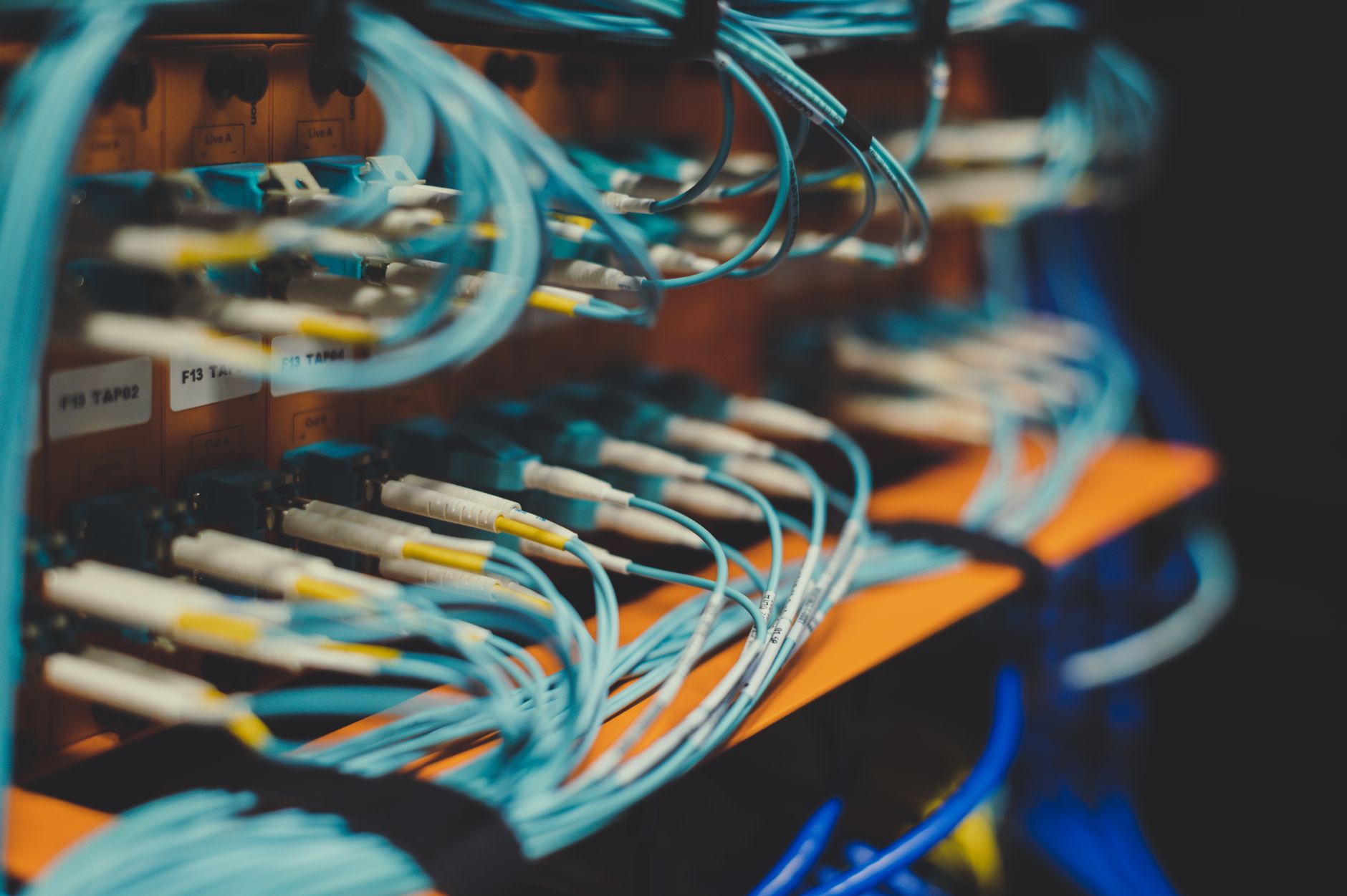
Nebius and the European AI Infrastructure Play
Nebius Group, the Amsterdam-listed AI infrastructure company spun out of Russian technology conglomerate Yandex, represents a less familiar but increasingly prominent name in the data center conversation. The company has been aggressively expanding its GPU cluster capacity in Europe and the United States, positioning itself as an alternative to the dominant American hyperscalers for AI workloads. Investors will be watching whether Nebius can demonstrate meaningful revenue acceleration as it scales its infrastructure footprint.
According to an Investor’s Business Daily earnings preview, both CoreWeave and Nebius are seen as direct proxies for AI infrastructure spending, making their results particularly significant for gauging how enterprise and hyperscaler customers are allocating capital in the current environment. Any signs of softening demand or margin compression could ripple through the broader AI infrastructure trade, which has driven substantial gains across the sector over the past eighteen months.
The earnings cycle also coincides with growing scrutiny of data center energy consumption and the buildout costs associated with next-generation GPU clusters. Investors tracking utility earnings guidance have already noted that power demand from large-scale AI facilities is beginning to influence infrastructure spending plans at regional utilities, underscoring the macroeconomic breadth of the AI infrastructure boom.
Lumentum and Applied Materials Signal Broader Chip Supply Chain Health
Beyond the pure-play cloud infrastructure names, Lumentum Holdings and Applied Materials are set to offer a window into the health of the optical components and semiconductor equipment markets, respectively. Lumentum, which manufactures laser and photonic components used in data center interconnects and optical networking, has benefited from rising demand for high-speed connectivity inside AI training clusters. Analysts expect the company to provide updated guidance on its transceiver and laser diode product lines, which have seen accelerating orders from cloud customers upgrading their internal networking architecture.
Applied Materials, the world’s largest semiconductor equipment company by revenue, carries perhaps the broadest significance of the group. Its results and forward guidance serve as a leading indicator for the capital expenditure plans of chipmakers worldwide. With advanced packaging and gate-all-around transistor technologies driving a new wave of equipment orders, the company’s commentary on backlog and customer spending intentions will be parsed carefully by investors across the semiconductor supply chain. Any upward revision to its full-year revenue outlook would likely be interpreted as a green light for continued momentum in chip equipment stocks more broadly.
Taken together, the earnings slate represents one of the most consequential weeks for AI-adjacent equities in recent memory. Whether these companies confirm or complicate the thesis that AI infrastructure investment remains robust and accelerating will set the tone for technology sector sentiment heading into the second half of the year.