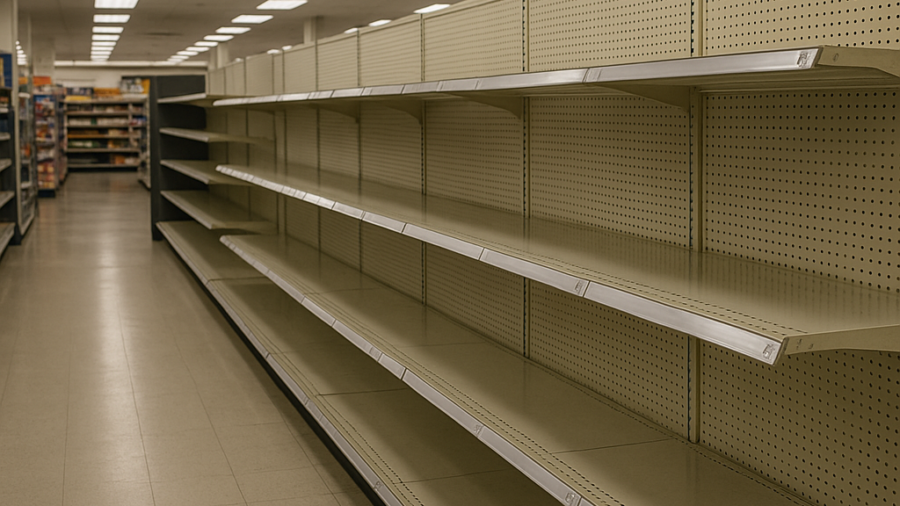
Walmart and Target have issued stark warnings to investors and suppliers that American store shelves could begin showing significant gaps by August, as the 90-day tariff truce between Washington and Beijing has proven insufficient to restart Chinese export shipments at the pace needed to replenish depleted inventories. The caution marks one of the most serious supply-chain alerts from major retailers since the pandemic-era disruptions of 2021.
According to people familiar with internal logistics planning at both companies, order backlogs at Chinese manufacturing hubs remain roughly 40 percent below normal seasonal levels, despite the mid-May agreement that temporarily reduced U.S. tariffs on Chinese goods from 145 percent to 30 percent. Suppliers, burned by repeated policy reversals over the past two years, have been slow to recommit production capacity without longer-term certainty on trade terms. Lead times from southern Chinese factories to U.S. distribution centers currently average 10 to 12 weeks, meaning any orders placed today would not reach store floors until mid-to-late September at the earliest.
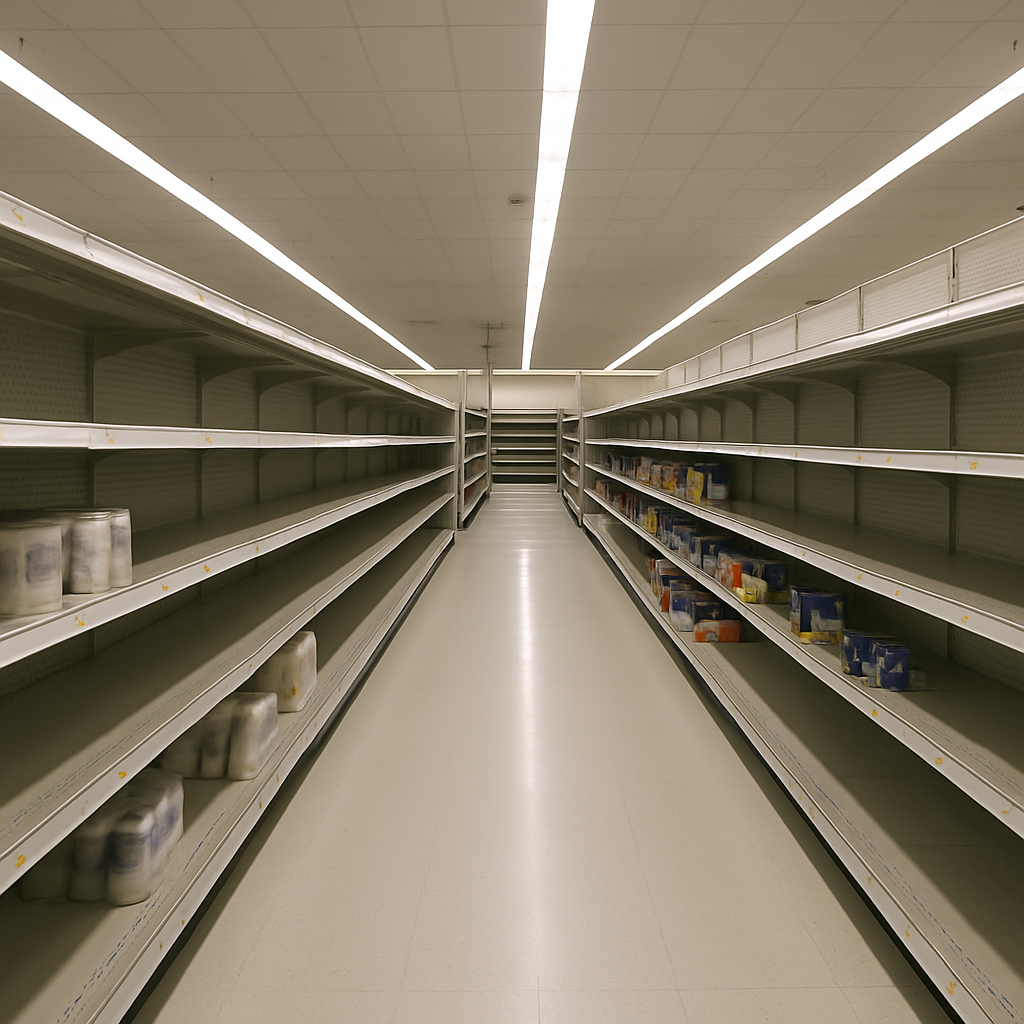
Target’s chief supply chain officer acknowledged in a closed investor briefing last week that the company expects on-shelf availability in discretionary categories — including electronics accessories, apparel, and seasonal home goods — to fall to roughly 87 percent by late July, down from its target rate of 96 percent. Walmart offered a similar assessment, noting that categories heavily sourced from China, which account for an estimated 60 to 70 percent of certain general merchandise lines, face the sharpest exposure. Both retailers stopped short of issuing formal earnings guidance revisions but signaled that gross margins could compress by 80 to 120 basis points in the third quarter if the situation persists.
The warning carries broader macroeconomic implications. Consumer spending accounts for approximately 68 percent of U.S. GDP, and a visible product shortage at the country’s two largest general merchandise retailers could dampen household confidence at a fragile moment. Analysts at several major investment banks have already begun revising their Q3 retail sector forecasts downward. Investors monitoring risk appetite in equities may find context in recent observations that the signaled a potential rotation away from consumer-facing stocks heading into the summer.
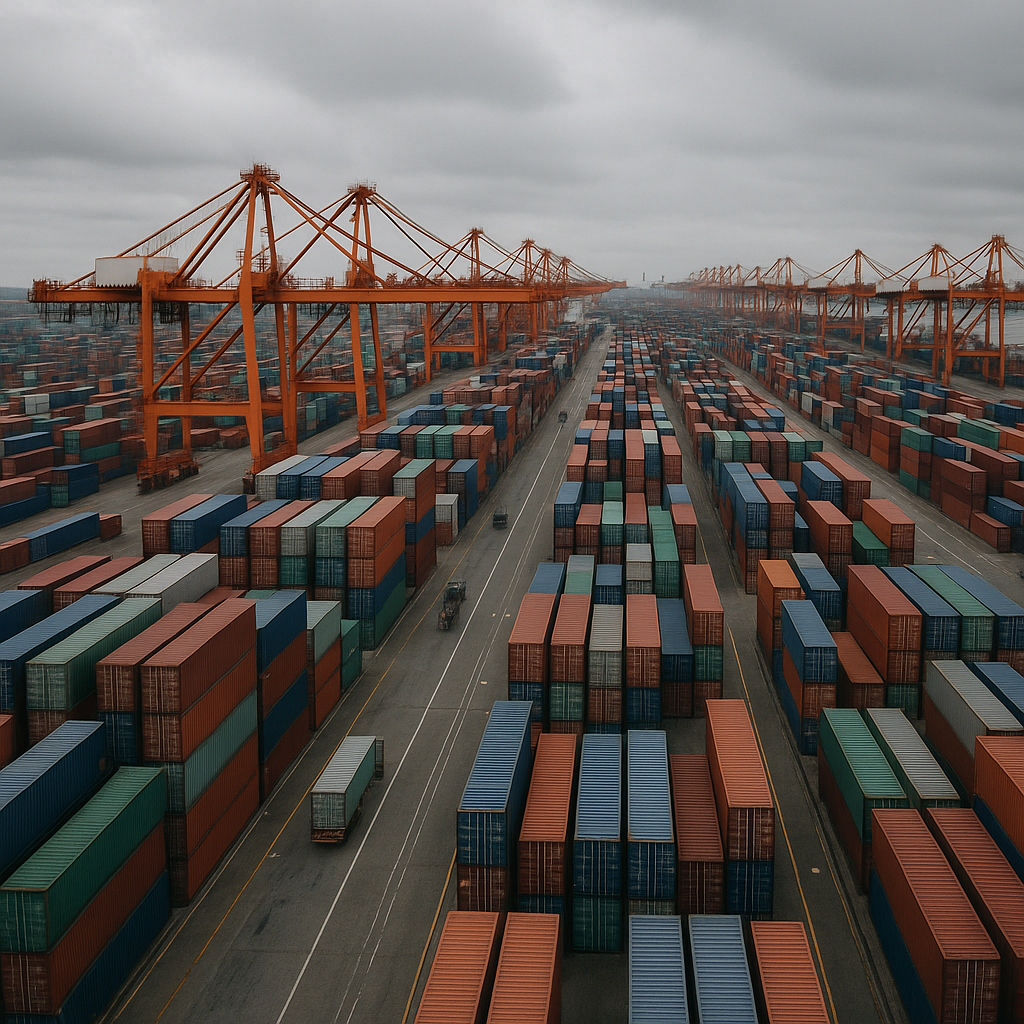
Freight forwarding firms report that available container bookings from Shanghai and Ningbo to U.S. West Coast ports have jumped nearly 28 percent over the past three weeks as retailers scramble to accelerate orders, but port congestion and equipment shortages mean actual throughput gains are lagging booking volumes by a meaningful margin. The Federal Maritime Commission has flagged potential surcharge increases of 15 to 20 percent on trans-Pacific routes through August.
The Federal Reserve is watching the situation carefully. Any renewed goods-price inflation driven by scarcity could complicate the rate path at a time when policymakers are already divided. The Minneapolis Fed has cautioned that a rate hike remains a live possibility for 2026 if inflation proves stickier than current projections suggest. A fresh wave of shelf-driven price increases would add weight to that argument.
Executives at both Walmart and Target are expected to address the supply situation directly when they report quarterly earnings in mid-August. Until then, the retail industry is in a race against the calendar — and, for now, the calendar appears to be winning.