
Germany’s manufacturing sector showed tentative signs of stabilisation in May, with the country’s flash purchasing managers’ index for industry climbing to 43.2, its highest reading in four months, according to a MarketWatch report citing data released by S&P Global. The figure improved from April’s reading of 42.5, offering a modest lift in sentiment for an economy that has spent the better part of two years wrestling with declining industrial output, elevated energy costs, and subdued demand from key trading partners. Despite the improvement, the index remained well below the 50.0 threshold that separates expansion from contraction, underlining how far Europe’s largest economy has yet to travel before its industrial base can be declared genuinely recovering. For context on how broader European financial conditions are shaping sentiment, readers may find short-duration bonds analysis relevant given the rate environment pressing on industrial borrowing costs across the continent.
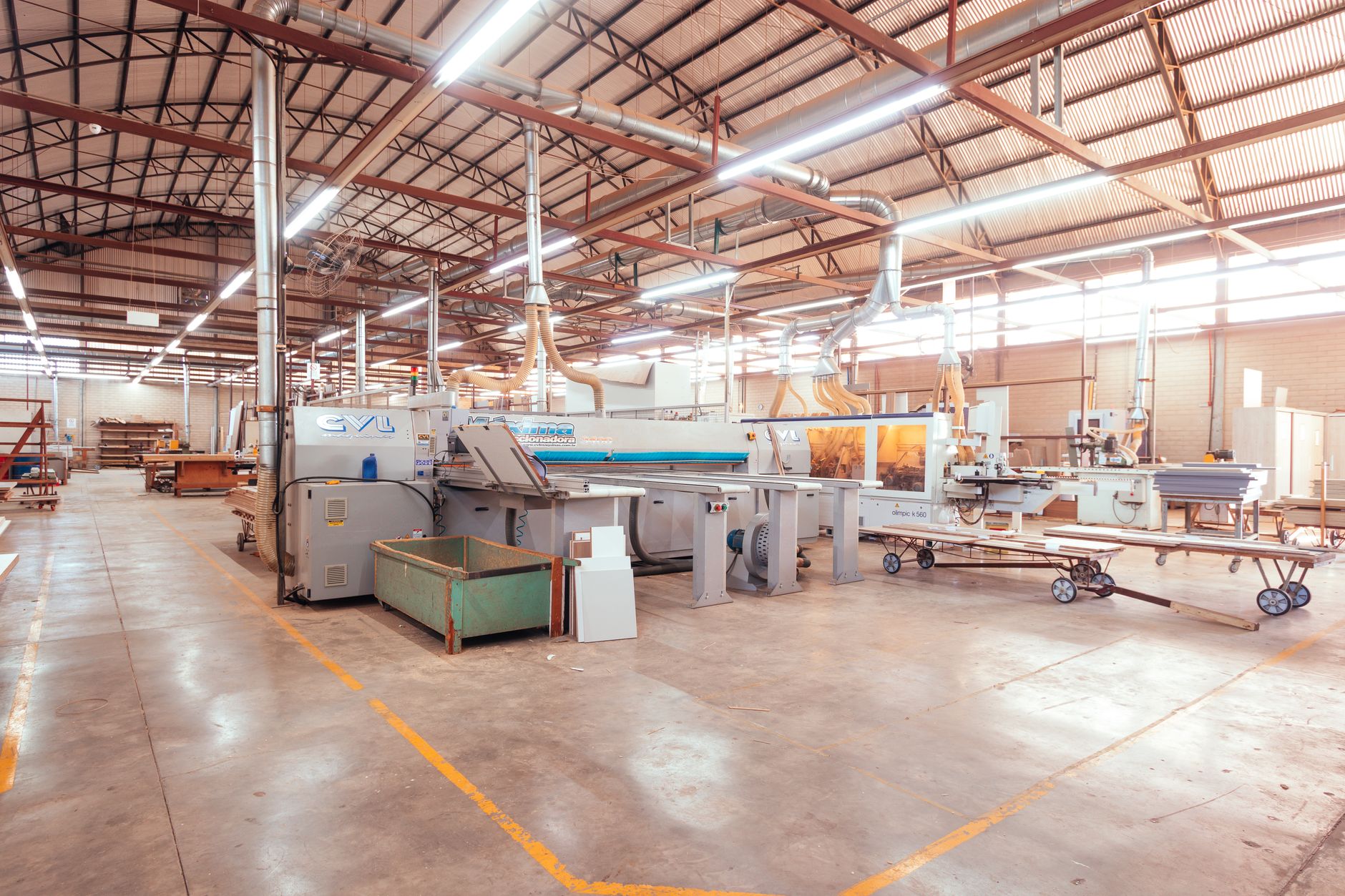
The flash PMI is a preliminary estimate based on approximately 85 percent of total survey responses and is widely monitored by investors and policymakers as an early barometer of economic momentum. While any uptick in the index is welcome, analysts were careful to temper expectations. A reading of 43.2 still reflects a meaningful pace of contraction across output, new orders, and employment within the sector. New export orders, a critical metric for a country whose industrial base is heavily oriented toward global markets, reportedly remained under pressure as demand from China and the United States continued to disappoint relative to pre-pandemic norms.
Structural Headwinds Continue to Weigh on Output and Orders
The modest improvement in May’s headline figure masked persistent weakness across several sub-components of the survey. Output contracted for the twenty-fourth consecutive month, according to the S&P Global data, and firms continued to reduce headcount as forward order books showed insufficient recovery to justify maintaining current staffing levels. Input cost pressures, while eased from the acute highs seen during the energy crisis of 2022, remained elevated relative to historical averages, squeezing margins at companies that have struggled to pass costs on to customers amid soft demand conditions. The automotive supply chain, which forms the backbone of German manufacturing, remained particularly exposed, with producers facing a simultaneous challenge from the accelerating global transition toward electric vehicles and competition from lower-cost Chinese manufacturers gaining market share internationally.
Business confidence did tick marginally higher in May, with some survey respondents citing hopes that interest rate cuts from the European Central Bank, which has already begun easing its policy stance in 2024, could gradually unlock investment and consumer spending in the months ahead. The ECB has moved to reduce its deposit facility rate from the peak levels reached during its aggressive tightening cycle, with markets pricing in further cuts through the remainder of the year. Whether that monetary relief translates into meaningful order book recovery for German manufacturers before year-end remains a central question for analysts tracking the industrial outlook. Notably, Deutsche Bank’s outlook on macro conditions has reflected similar caution about the pace of European economic normalisation.
What the Data Signals for Germany’s Broader Economic Trajectory
The May flash PMI reading arrives at a politically and economically sensitive moment for Germany. The country recorded a technical recession in the latter stages of 2023 and has since eked out only the most marginal growth, leaving policymakers at both the federal and European level under pressure to articulate a credible path toward reindustrialisation. The new German government, led by Chancellor Friedrich Merz following February’s federal election, has signalled an intention to liberalise some aspects of the country’s regulatory framework and accelerate infrastructure investment, though legislation translating those commitments into concrete action is still working its way through the political process. Analysts at several major investment banks have noted that structural reforms, not monetary easing alone, will be required to meaningfully shift Germany’s medium-term industrial trajectory.
For global investors, the German PMI data carries weight beyond national borders. Germany functions as the industrial engine of the eurozone, and sustained weakness in its factory sector has historically correlated with softer growth outcomes across the broader European bloc. Currency markets and European equity indices responded only modestly to the May data, reflecting the market’s interpretation that a single month of marginal improvement does not constitute a trend reversal. The euro held broadly steady against major peers in the immediate aftermath of the release, while German industrial equities on the DAX index saw limited directional movement. Economists and fund managers will be watching June’s flash estimate closely to determine whether May’s improvement represents the beginning of a genuine, if gradual, stabilisation or simply a temporary fluctuation within an ongoing contraction cycle.