
Michigan’s Democratic Party is heading into one of its most consequential primary battles in years, with the August contest for the state’s open Senate seat drawing sharp divisions between the party’s establishment and progressive wings. The collision of factions in a state widely considered a general election battleground makes the outcome particularly significant — not only for Michigan, but for the national party’s identity as it navigates a turbulent political environment. For context on how Washington’s broader political calculus is shifting, see The Fiscalist’s coverage of Gaza disarmament pact and its economic ripple effects.
According to NPR’s reporting on the race, Representative Haley Stevens and former state health director Abdul El-Sayed have emerged as the two central figures in a primary that has become a proxy war for the soul of the Democratic Party. The race is drawing national attention and significant outside spending, with progressive organizations backing El-Sayed and more centrist groups rallying around Stevens.
Establishment vs. Progressives: The Financial Stakes of a Divided Primary
The financial dimensions of the Michigan primary underscore just how much both sides of the Democratic Party have invested in the outcome. Outside spending from progressive political action committees has flowed heavily toward El-Sayed, a physician and former gubernatorial candidate whose platform emphasizes universal healthcare, aggressive climate spending, and a more critical foreign policy posture. Stevens, by contrast, has drawn support from more traditional Democratic fundraising networks, including donors tied to the party’s congressional leadership infrastructure.
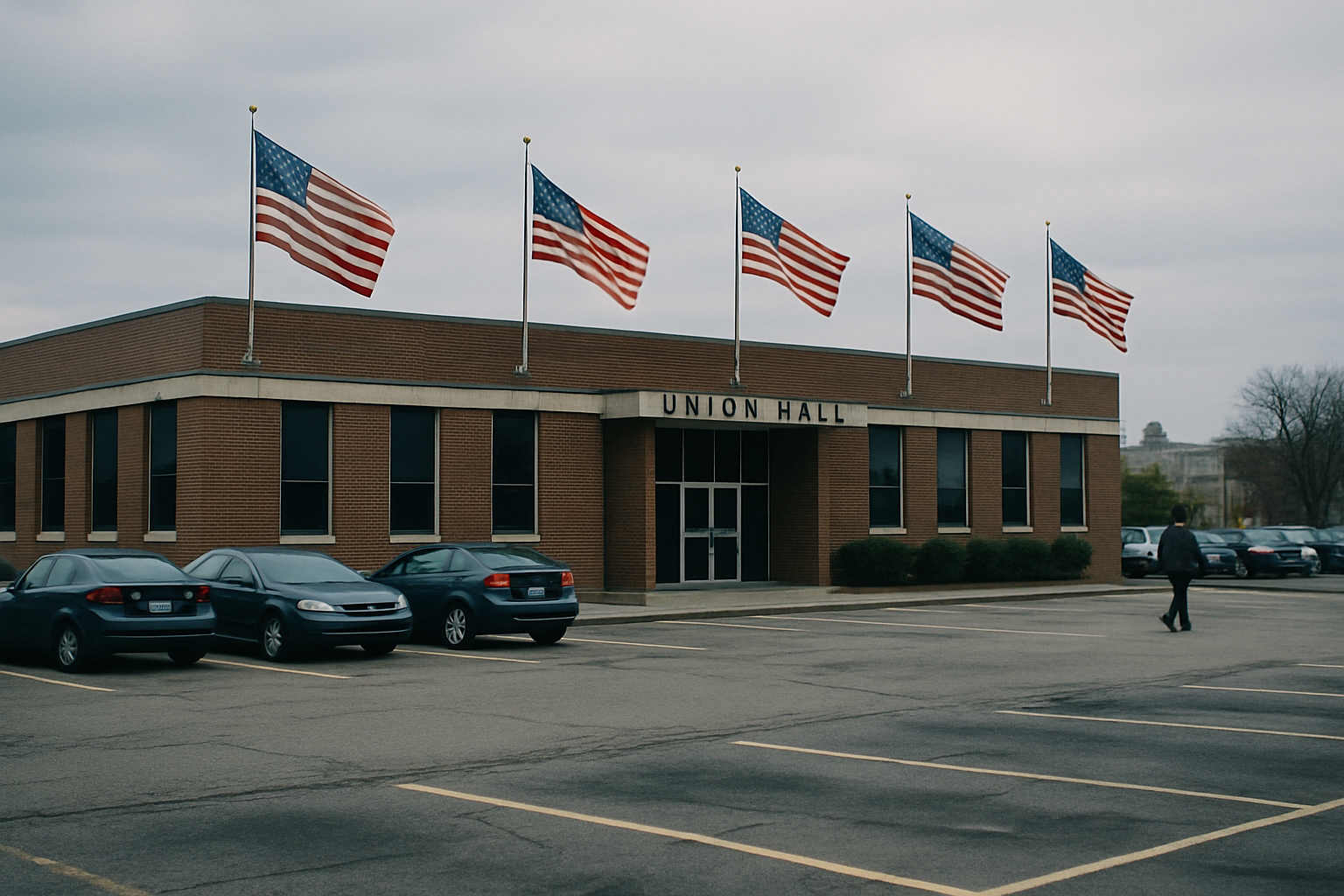
Michigan is a state where the manufacturing economy and its attendant labor politics remain central to voter concerns. The Detroit metropolitan area alone accounts for a disproportionate share of the state’s Democratic primary electorate, and union households — historically a swing bloc within primaries — have been courted aggressively by both candidates. Polling in competitive Senate primaries of this type has historically shown single-digit margins, making turnout operations and late-breaking advertising buys among the most decisive financial variables in the final weeks.
The Arab American Vote and a Third Fault Line in the Race
Beyond the familiar establishment-versus-progressive divide, a third and increasingly decisive fault line has emerged: Michigan’s large Arab American community, concentrated in the Dearborn area, which represents one of the largest such populations in the United States. This bloc, which comprises a meaningful share of the Democratic primary electorate in Wayne County, has become deeply politically mobilized in recent cycles, particularly in response to U.S. foreign policy in the Middle East.
El-Sayed, who is of Egyptian descent, has positioned himself as a candidate who speaks directly to that community’s concerns, while Stevens has faced sustained criticism from Arab American advocacy groups over her congressional voting record. The political realignment of this constituency carries real downstream consequences: in close general elections, depressed turnout or third-party defection among Arab American voters in southeast Michigan could affect margins that historically determine Senate outcomes statewide. Democrats lost Michigan by fewer than 11,000 votes in 2016, a figure that has haunted party strategists ever since and continues to frame coalition math in every major contest.

What the Primary Result Means for November and Beyond
The winner of the August primary will face a well-funded Republican opponent in November in what is already projected to be among the most expensive Senate races of the 2026 cycle. Control of the Senate remains competitive, and Michigan is considered a must-hold state for Democrats if they are to have any realistic path to a majority. Advertising reservations in the Detroit and Grand Rapids media markets are expected to reach into the tens of millions of dollars by the general election, making Michigan one of the top-spending Senate battlegrounds nationally.
Strategists across both party wings acknowledge that the primary’s outcome will shape not just the general election campaign but the broader narrative about which direction the Democratic Party is moving entering a critical midterm environment. Whether the nominee is a centrist focused on economic competitiveness and bipartisan credibility or a progressive running on structural reform, the general election contrast with the Republican candidate will be stark. For investors and businesses tracking policy risk in key swing states, Fed rate strategy and fiscal policy uncertainty make Senate composition one of the more consequential variables heading into 2027 legislative sessions.