
Apple shares fell sharply in after-hours trading on Thursday after the company issued a revenue forecast that disappointed Wall Street, with Chief Executive Tim Cook warning that a worsening global memory chip shortage is beginning to weigh more heavily on the iPhone maker’s operations. The guidance rattled investors who had expected Apple to demonstrate greater resilience against ongoing supply chain pressures. This latest development adds to a pattern of Apple stock volatility that has characterised equity markets in recent months.
Apple projected revenue for the current quarter in a range that came in below the consensus estimate among analysts, citing constrained availability of memory components used across its device lineup. Cook described the situation during the earnings call as an “increasing impact,” signalling that the disruption is no longer a transitory concern but a structural headwind the company is actively managing. The stock fell approximately 4 percent in extended trading following the announcement, erasing several billion dollars in market capitalisation.
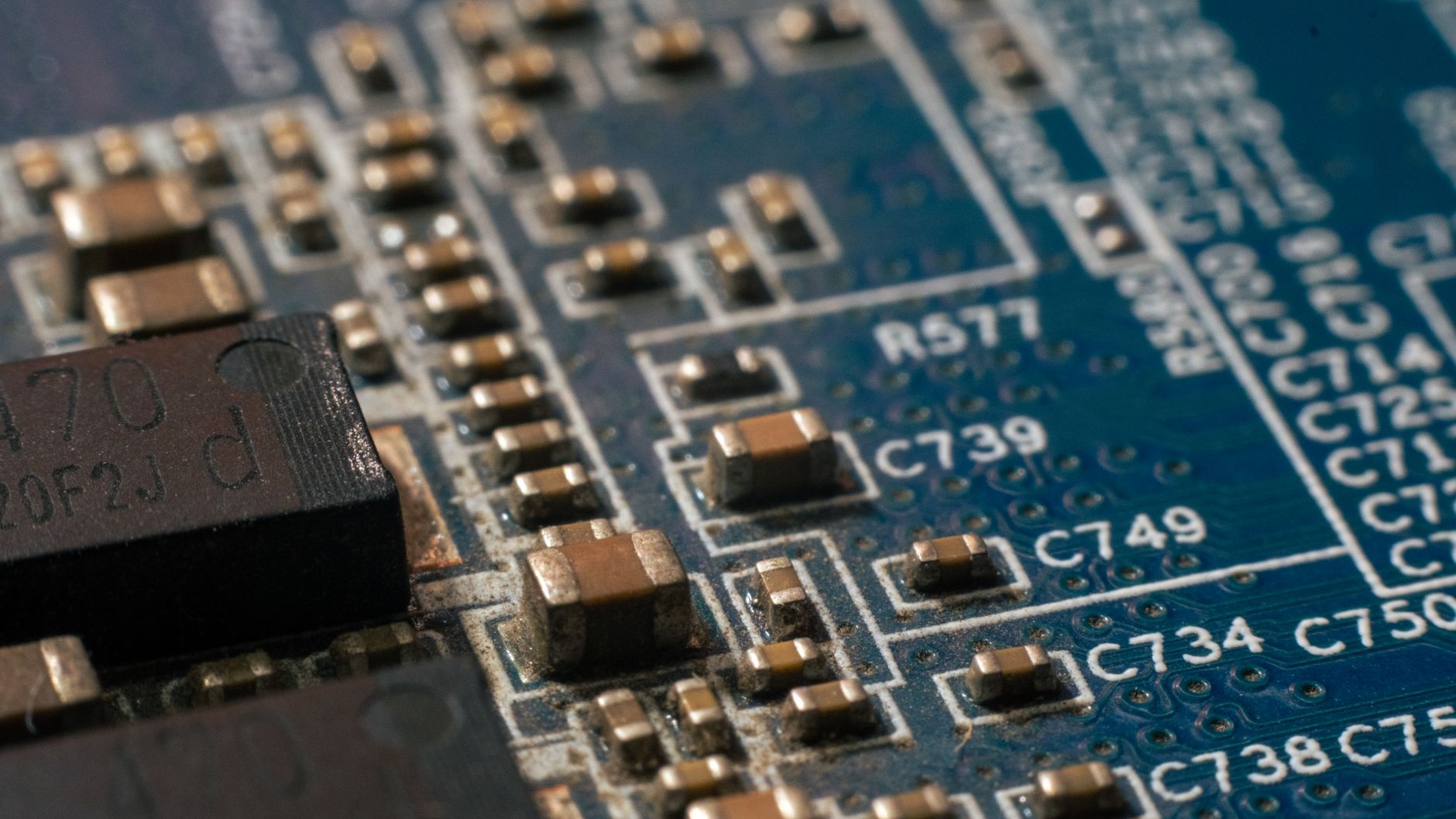
Memory Costs Climb as AI Demand Competes With Consumer Electronics
The memory shortage Apple flagged is part of a broader strain on global semiconductor supply that has intensified as technology companies accelerate their artificial intelligence infrastructure buildouts. Demand for high-bandwidth memory and NAND flash storage has surged as hyperscalers and cloud providers compete to expand AI capacity, leaving less inventory available for consumer electronics manufacturers. According to AI cost analysis, dwindling cash reserves and soaring memory costs are creating a ballooning price tag across the technology sector’s AI expansion, a dynamic that is now spilling over into Apple’s supply negotiations.
Industry analysts note that memory pricing has climbed considerably from its cyclical lows, with DRAM contract prices rising by an estimated 15 to 20 percent over the past two quarters as allocation windows tighten. For Apple, which ships hundreds of millions of devices annually, even modest per-unit cost increases and constrained supply windows can translate into meaningful revenue shortfalls at scale. The company sources memory components from a concentrated group of suppliers, limiting its ability to quickly pivot to alternative procurement channels when capacity becomes restricted.

Earnings Reflect Broader Pressure on Hardware Margins
Despite the cautious guidance, Apple reported quarterly results that were broadly in line with expectations on several key metrics, including services revenue, which continued to grow at a double-digit pace and now represents an increasingly important buffer against hardware cyclicality. However, the company’s gross margin outlook for the coming quarter came in slightly below analyst projections, a reflection of both the higher component costs and a product mix that may shift toward lower-margin configurations if premium memory-intensive models face supply constraints.
The earnings call also drew attention to comments from Cook about the cadence of product introductions, with the CEO declining to confirm whether memory availability would affect the timeline of upcoming device launches. That ambiguity contributed to the negative market reaction, as investors interpreted the reticence as a signal that flagship product cycles could face delays or compromises. As Yahoo Finance reported, the combination of the weak forecast and Cook’s explicit reference to memory pressure marked a notable shift in tone from prior quarters, when supply chain risks had been characterised in more measured terms.
Looking ahead, analysts will be watching closely for any updates on Apple’s procurement agreements and whether the company moves to lock in longer-term supply contracts to stabilise its component pipeline. Some observers have pointed to the broader macroeconomic environment, including trade policy uncertainty and ongoing geopolitical friction in key manufacturing regions, as compounding factors that could keep memory markets tight well into the next fiscal year. For Apple, managing that constraint while sustaining the product cadence investors expect will be among the most consequential operational challenges of the coming quarters.