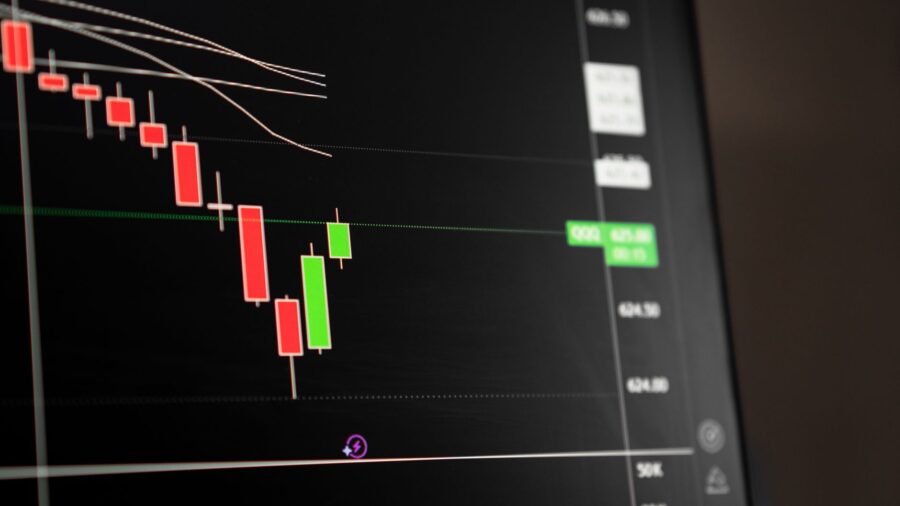
Teradyne, the Massachusetts-based semiconductor test equipment maker, has confirmed it will report its second-quarter 2025 financial results on July 28, giving investors a narrow window in which to position ahead of what analysts expect to be a closely scrutinised release. The company’s performance has become a proxy indicator for broader health in the global chip-testing supply chain, and the upcoming print arrives at a moment of considerable uncertainty across the technology hardware sector. For investors already tracking technical signals in equity markets, the Teradyne date represents a material near-term catalyst.
According to a report published by Yahoo Finance, shareholders and prospective buyers have been urged to mark the July 28 date firmly on their calendars, with the earnings call expected to shed light on demand trends across the company’s semiconductor test, robotics, and wireless test segments. Teradyne shares have experienced notable volatility over the past twelve months, reflecting both the cyclical nature of chip capital expenditure and the surge of investment tied to artificial intelligence infrastructure build-outs.
AI and Semiconductor Demand Drive Analyst Attention
Teradyne derives a substantial portion of its revenue from automated test equipment sold to chipmakers validating high-performance processors, memory modules, and application-specific integrated circuits. With major foundries and fabless designers accelerating production of AI accelerators and advanced logic chips, demand for test capacity has been elevated, though order timing and customer inventory digestion cycles continue to create quarterly lumpiness. Analysts have flagged that any commentary from management regarding test intensity for next-generation AI chips will be scrutinised for read-through implications across the semiconductor capital equipment peer group.
The company’s robotics division, which operates under the Universal Robots brand, adds a second dimension to the earnings narrative. Industrial automation spending has softened in parts of Europe and Asia, and investors will be watching whether that segment can sustain its revenue contribution or whether weakness there offsets strength in the core semiconductor test business. Robotics represented a meaningful share of total revenues in recent quarters, making its trajectory an important line item for the consolidated result. Broader technology investment themes, including the race documented in coverage of China’s AI model development, continue to feed long-term structural demand for the kind of advanced chip validation that underpins Teradyne’s core business.

What the July 28 Report Could Reveal
Consensus estimates heading into the quarter have centred on whether Teradyne can sustain or improve upon the revenue recovery it signalled in its prior earnings cycle. The company posted revenues of approximately 730 million dollars in the first quarter of 2025, and Wall Street models have been pencilling in sequential improvement as AI-related test orders mature into recognised revenue. Gross margin trajectory will also be under the microscope, given inflationary pressures on supply chains and competitive pricing dynamics from Asian test equipment rivals.
Beyond the headline numbers, investors will be particularly attentive to forward guidance. Teradyne management’s commentary on the second half of 2025 order book and any updates to full-year revenue or earnings per share targets could move the stock more decisively than the Q2 actuals themselves. In recent earnings cycles, the company’s shares have moved by high single-digit to low double-digit percentages on the day following its report, underscoring just how sensitive the market remains to shifts in management tone. Options markets are likely to price in elevated implied volatility in the days immediately preceding the July 28 release, presenting both risk and opportunity for active traders managing near-term exposure.
For long-term holders, the earnings call offers a chance to assess whether the secular growth thesis around AI-driven semiconductor complexity — and the corresponding increase in test time per chip — remains firmly intact heading into the second half of the year.