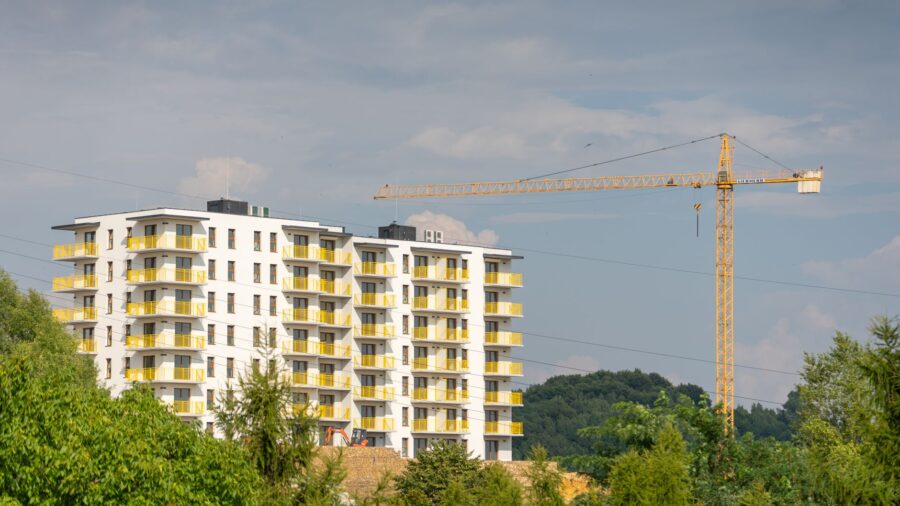
As housing affordability deteriorates across major metropolitan areas and suburban markets alike, a growing number of homeowners are turning to accessory dwelling units — commonly known as granny pods or backyard apartments — as both a practical living solution and a measurable source of supplemental income. With median home prices in the United States still elevated relative to pre-pandemic norms, the economics of building a compact two-bedroom structure on existing residential land are attracting serious attention from property investors and family planners alike. The trend intersects with broader conversations around housing market stress and the financial resilience strategies ordinary households are adopting in a high-cost environment.
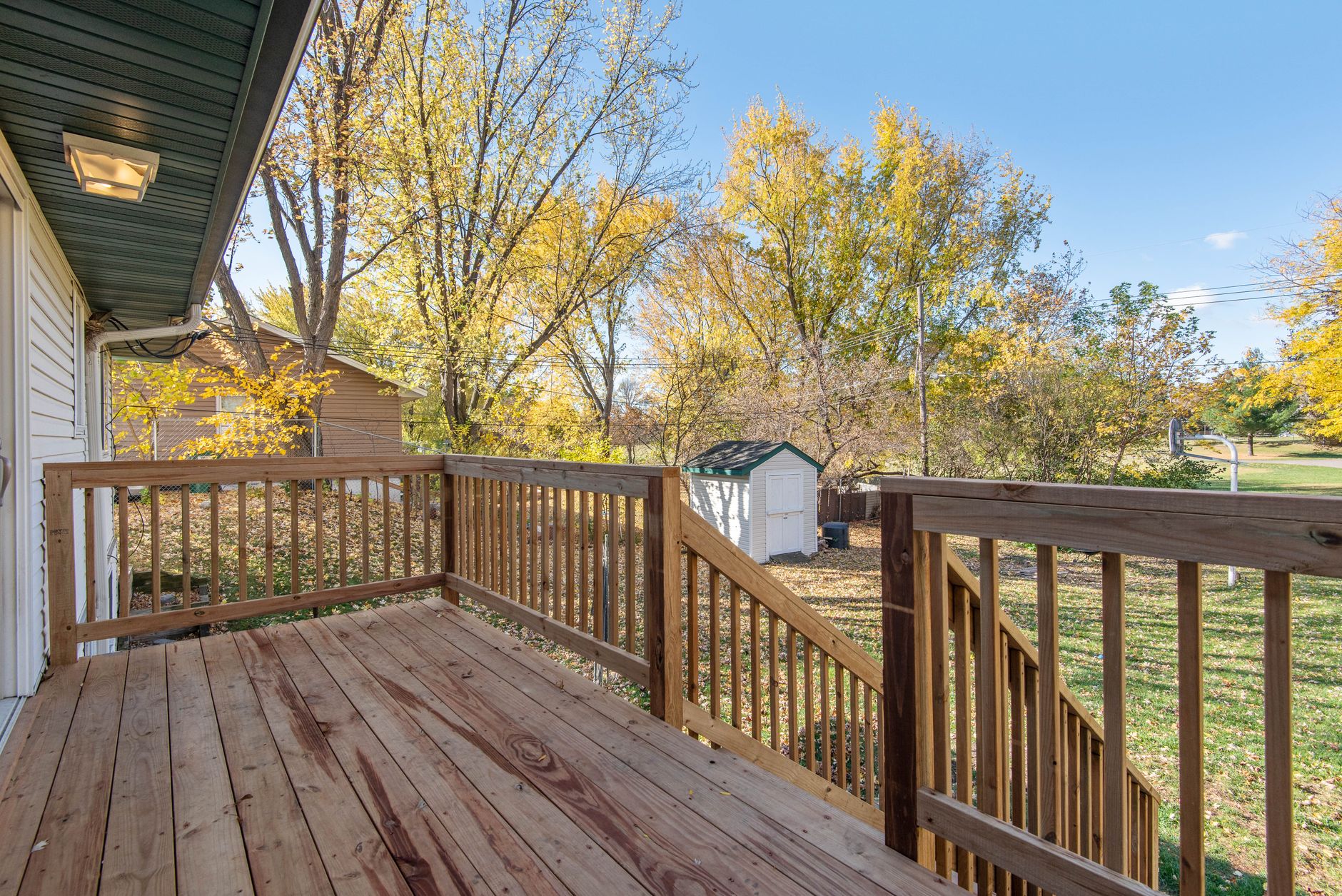
According to a detailed overview published by Upstream Read under the title “Understanding 2 Bedroom Granny Pods and Small Backyard Apartments,” these structures occupy a unique niche between traditional home extensions and purpose-built rental properties. The piece outlines the range of configurations available, from prefabricated modular pods to site-built detached units, each with distinct cost profiles and zoning considerations. Industry estimates suggest that a well-designed two-bedroom granny pod can be constructed for between $80,000 and $200,000, depending on materials, local labour costs, and site preparation requirements — a fraction of what a comparable standalone property would cost in most urban markets.
Construction Costs, Rental Yields, and the Investment Case
The financial proposition for homeowners is straightforward in principle. A two-bedroom backyard apartment renting at prevailing market rates in a mid-tier city can generate between $1,200 and $2,200 per month in gross rental income, implying a gross yield of roughly 7 to 14 percent on a $180,000 build cost. That range compares favourably with the national average gross rental yield on residential property, which has compressed toward 5 to 6 percent in many established suburbs as purchase prices outpaced rent growth during the pandemic era. The granny pod analysis from Upstream Read notes that modular and prefabricated options have become particularly attractive because they reduce build time significantly — sometimes to as little as eight to twelve weeks from site preparation to occupancy — lowering holding costs and accelerating the break-even timeline.
Beyond pure rental yield, property analysts have pointed to the equity uplift that a well-constructed accessory dwelling unit can deliver on the primary residence. Appraisal standards in several U.S. states now formally recognise permitted ADUs as value-adding improvements, with some studies suggesting a compliant two-bedroom unit can increase total property valuation by 20 to 35 percent. That dual benefit — recurring rental cash flow combined with capital appreciation — makes the asset class particularly compelling for homeowners who purchased at lower prices and are sitting on substantial equity but lack the liquidity to acquire additional investment properties outright.
Regulatory Shifts and the Multigenerational Housing Dynamic
The regulatory environment has shifted meaningfully in favour of accessory dwelling units over the past five years. California, Oregon, Washington, and several New England states have moved to streamline ADU permitting, reduce or eliminate owner-occupancy requirements, and in some jurisdictions waive impact fees for units below a certain square footage. These legislative changes have materially reduced one of the historic barriers to ADU development — the cost and uncertainty of the approval process, which previously could add $15,000 to $40,000 to a project budget and delay construction by six months or more.

The multigenerational dimension of granny pod adoption adds a layer of social and financial complexity that distinguishes this asset class from conventional rental property. A significant share of two-bedroom backyard units are built not for arms-length tenants but to house ageing parents, adult children, or other family members who might otherwise require costly assisted living arrangements or separate rental agreements. Upstream Read’s reporting highlights that this use case is driving demand from homeowners who view the upfront construction cost as a substitute for care facility expenses that can exceed $4,000 per month in many states. The convergence of demographic pressure, regulatory liberalisation, and constrained housing supply suggests the investment signals around accessory dwelling units are likely to strengthen rather than fade in the medium term, making the two-bedroom granny pod an increasingly mainstream component of residential real estate strategy.