
Israeli food-technology company Plantopia has raised $9 million in a funding round aimed at accelerating the commercial production of dairy proteins through precision fermentation, according to a Globes report on the financing. The round positions the Tel Aviv-based startup among a growing cluster of Israeli deep-food-tech ventures attracting institutional and venture capital as demand for animal-free protein ingredients expands across global food manufacturing.
Plantopia uses microbial fermentation to produce proteins that are molecularly identical to those found in conventional dairy, including casein and whey, without relying on livestock. The technology sits within the broader precision fermentation category, which industry analysts have flagged as one of the more capital-efficient pathways to displacing animal agriculture in ingredient supply chains. For context on how private capital is increasingly channeling into early-stage science-driven ventures of this kind, see The Fiscalist’s earlier coverage of Sachs private markets access trends.
Technology and Market Positioning
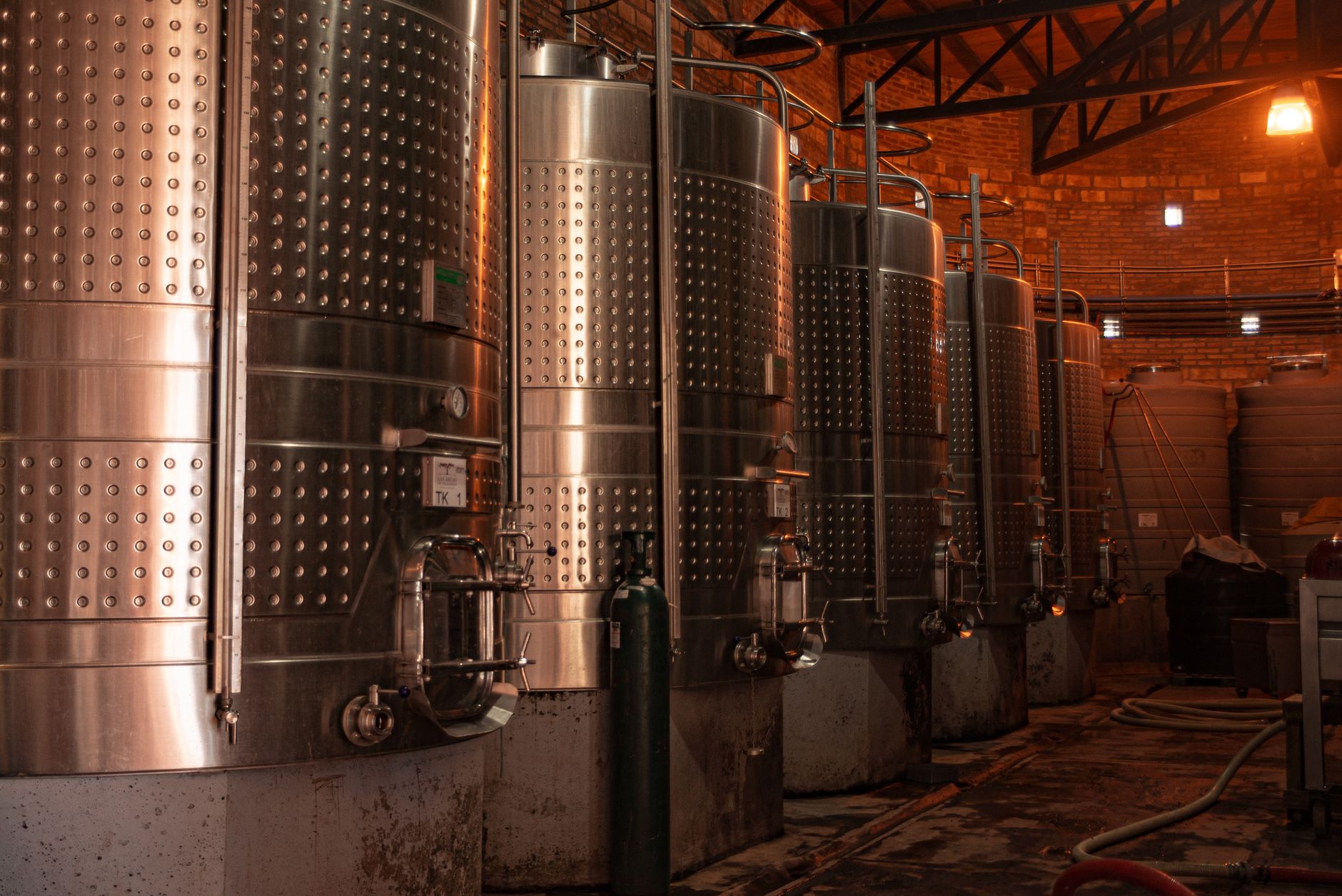
Precision fermentation works by programming microorganisms — typically yeast or fungi — to express specific animal proteins. The resulting ingredients can be harvested, purified, and sold to food manufacturers seeking to reformulate products without changing consumer-facing taste or texture profiles. Plantopia’s approach targets the functional dairy protein segment, which commands premium pricing in categories such as sports nutrition, infant formula, and processed cheese analogues.
The global alternative protein market has attracted substantial investment over the past several years, though the sector has also faced a recalibration following the high valuations of 2021 and 2022. Precision fermentation companies have broadly fared better than plant-based meat peers during this correction, partly because their output serves as a business-to-business ingredient rather than a finished consumer product, reducing exposure to retail demand volatility. Plantopia’s $9 million raise, while modest relative to later-stage biotech rounds, is consistent with seed-to-Series A cheque sizes for fermentation platforms at this stage of technical development.
The Fiscalist’s prior reporting on Plantopia dairy proteins outlined the company’s founding thesis and early laboratory milestones, providing additional technical background on how the fermentation platform differentiates from competing approaches in the market.
Investor Composition and Use of Proceeds
The company did not disclose a full list of participating investors in the round, though the Globes report indicated the financing involved a combination of venture capital and strategic backers. Proceeds are expected to fund a scale-up of fermentation capacity, further product development, and the regulatory groundwork required to bring precision-fermented dairy proteins to food-grade commercial markets in Europe and North America.
Regulatory approval remains a meaningful variable for the sector. In the United States, precision-fermented ingredients require Generally Recognized as Safe, or GRAS, designation from the Food and Drug Administration before they can enter the commercial food supply. The European Food Safety Authority operates a comparable novel foods authorization process. Several companies in the space, including Perfect Day and Remilk, have already navigated portions of this regulatory pathway, providing a template that newer entrants such as Plantopia can partly follow.
Israel has developed a notable concentration of alternative protein startups over the past decade, supported by a venture ecosystem with deep ties to agricultural technology and biotechnology. Government-backed programs and university spin-outs have contributed to a pipeline that spans cultivated meat, precision fermentation, and advanced plant-based processing. Plantopia’s latest raise adds to a body of evidence that international investors continue to view the Israeli food-tech cluster as a credible source of differentiated innovation, even as broader funding conditions across the technology sector have tightened since the peak of the 2021 cycle.
The company has not publicly disclosed a revenue figure or a timeline for first commercial sales, both of which will be closely watched by investors assessing when the business can transition from a development-stage platform to a commercial-scale supplier.