South Korea’s economy almost certainly lost momentum in the second quarter of 2024, according to a Reuters poll of economists, after the country posted one of its strongest quarterly performances in recent years at the start of the year. The survey results, as reported by CNA, point to a meaningful deceleration that analysts attribute to fading export tailwinds and softening private consumption. For investors tracking broader global market risk, the South Korean data offers a timely signal about the fragility of Asia’s export-driven recoveries.
Asia’s fourth-largest economy expanded by 1.3 percent on a quarter-on-quarter basis in the first three months of 2024, a figure that significantly outpaced expectations and represented the fastest quarterly growth rate since the fourth quarter of 2021. That surge was powered in large part by a robust rebound in semiconductor exports, particularly to markets in the United States and China, alongside a temporary lift from government spending. Economists cautioned at the time that such a pace would be difficult to sustain, and the Reuters poll appears to confirm those reservations.
Poll Signals a Marked Step Down in Output
The median forecast in the Reuters survey pointed to GDP growth of approximately 0.4 percent for the April-to-June quarter, on a sequential basis, compared with the 1.3 percent recorded in Q1. On an annual basis, economists projected growth of around 2.5 percent year-on-year, a figure that, while still respectable, underscores how much of 2024’s early optimism was front-loaded into the first quarter. The Bank of Korea is scheduled to release the advance GDP estimate for Q2 later in July.
Several economists surveyed flagged that the primary drag in the second quarter came from weaker domestic demand, with household consumption constrained by elevated interest rates and still-high living costs. South Korea’s central bank has held its benchmark rate at 3.5 percent since early 2023, one of the more prolonged pauses among major Asian central banks, as policymakers attempt to balance inflation control with the need to support a slowing economy. Construction investment also weakened notably, reflecting a continued correction in the country’s residential property market.
Export Engine Sputters as Global Demand Softens
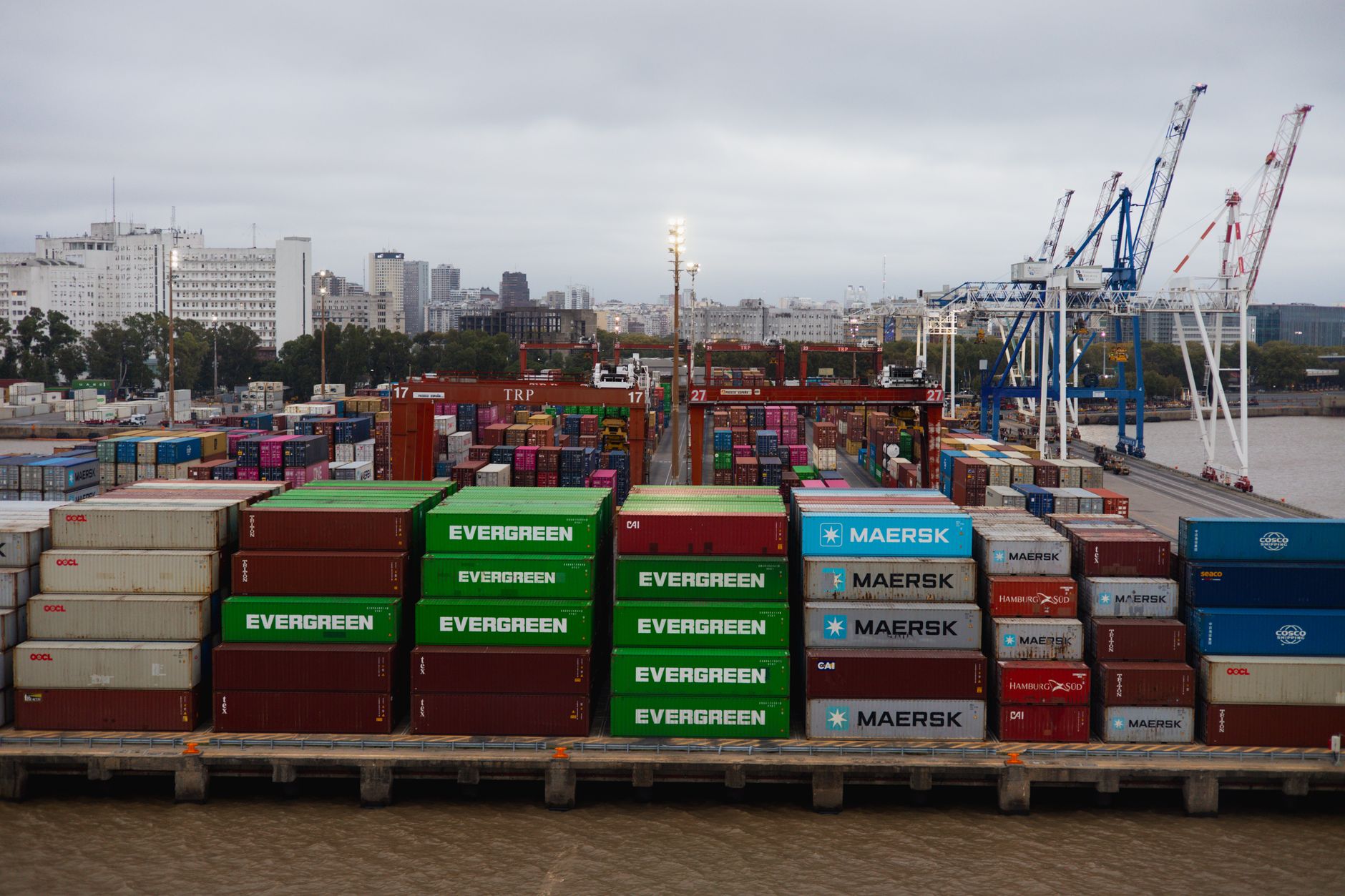
While South Korea’s export sector provided the primary engine for the Q1 surge, the picture in the second quarter was considerably more mixed. Shipments of semiconductors, which account for a disproportionately large share of the country’s total exports, remained firm in absolute terms but their growth rate decelerated as base effects became more demanding and global technology spending showed signs of moderation. Meanwhile, exports of automobiles and petrochemicals — two other pillars of South Korean trade — came under pressure from sluggish demand in key European and Chinese markets.
China’s uneven post-pandemic recovery continues to pose a structural challenge for Seoul’s trade balance. Beijing remains South Korea’s largest single trading partner, and persistent weakness in Chinese consumer and industrial demand has a direct transmission effect on Korean export volumes. Analysts noted that any sustained recovery in Chinese domestic activity could provide a meaningful lift to South Korean exporters in the second half of the year, though uncertainty remains high. Separately, the won’s relative stability against the dollar during the quarter offered limited relief on the currency translation front, providing neither a significant headwind nor a boost to export competitiveness.
Outlook for the Second Half and Policy Implications
Despite the anticipated Q2 softness, many economists maintained a cautiously optimistic view for the remainder of 2024, citing the probability of a pivot in monetary policy if inflationary pressures continue to ease. Headline inflation in South Korea has trended lower since its 2022 peak, and market participants are increasingly pricing in the possibility that the Bank of Korea could begin cutting rates before the end of the year. Such a move would likely provide a modest stimulus to both consumer borrowing and business investment.
The government has also signalled willingness to deploy supplementary fiscal measures if downside risks materialise, though the scope for additional spending is constrained by concerns about the fiscal deficit. South Korea ran a wider-than-expected budget shortfall in 2023, and the finance ministry has been cautious about committing to large-scale stimulus packages. For the moment, policymakers appear to be betting that a global technology upcycle — driven in part by accelerating investment in artificial intelligence infrastructure — will eventually translate into renewed demand for South Korean chips and components, underpinning a more durable recovery into 2025.