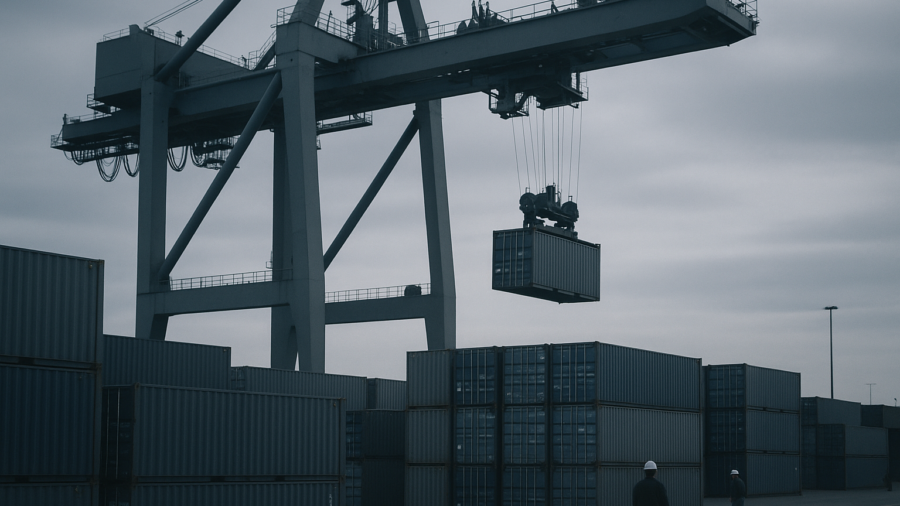
American companies are once again recalibrating supply chains, pricing strategies, and inventory decisions as the prospect of sweeping new tariffs looms over the domestic economy. The sense of déjà vu is palpable across industries, from small manufacturers to major retail chains, with executives describing a business environment that feels strikingly similar to the trade disruptions of 2018 and 2019. According to a Marketplace report, firms of all sizes are drawing on lessons learned during the first round of U.S.-China trade escalations to prepare for what many fear could be an even broader wave of import levies.
The renewed anxiety comes as the White House signals it may impose additional tariffs across a wide range of goods, with some proposals targeting imports from multiple trading partners simultaneously. Business owners who endured the 2018 tariff cycle say they are moving faster this time, stockpiling critical components, renegotiating supplier contracts, and in some cases passing costs directly to consumers before any formal announcement. Consumer goods, electronics, and industrial materials have all been flagged as sectors facing potential exposure, with import duties on certain product categories potentially rising to levels not seen in decades.

Supply Chains Under Pressure Again
Procurement officers and logistics managers say the window between a tariff announcement and its implementation is far shorter than the policy timeline suggests, given port congestion, customs processing delays, and the lead times inherent in international manufacturing. Companies that were caught flat-footed in 2018 — when 25 percent duties on steel and 10 percent levies on aluminum reshaped input costs almost overnight — are determined not to repeat the experience. Several mid-sized manufacturers told Marketplace they have already begun shifting a portion of their sourcing away from China and toward Vietnam, Mexico, and other lower-tariff jurisdictions, a process that carries its own significant costs and operational risks.
The dilemma is particularly acute for small businesses operating on thin margins, which lack the financial cushion or negotiating leverage of large multinationals. A retailer importing specialty goods, for instance, may face a near-impossible choice between absorbing a 20 to 30 percent cost increase or passing it along to customers who have already shown sensitivity to elevated prices following years of post-pandemic inflation. Economists warn that a second major tariff cycle, layered on top of still-elevated consumer price indices, could dampen discretionary spending more severely than the first round did, since household balance sheets are under greater strain now than they were in 2018.
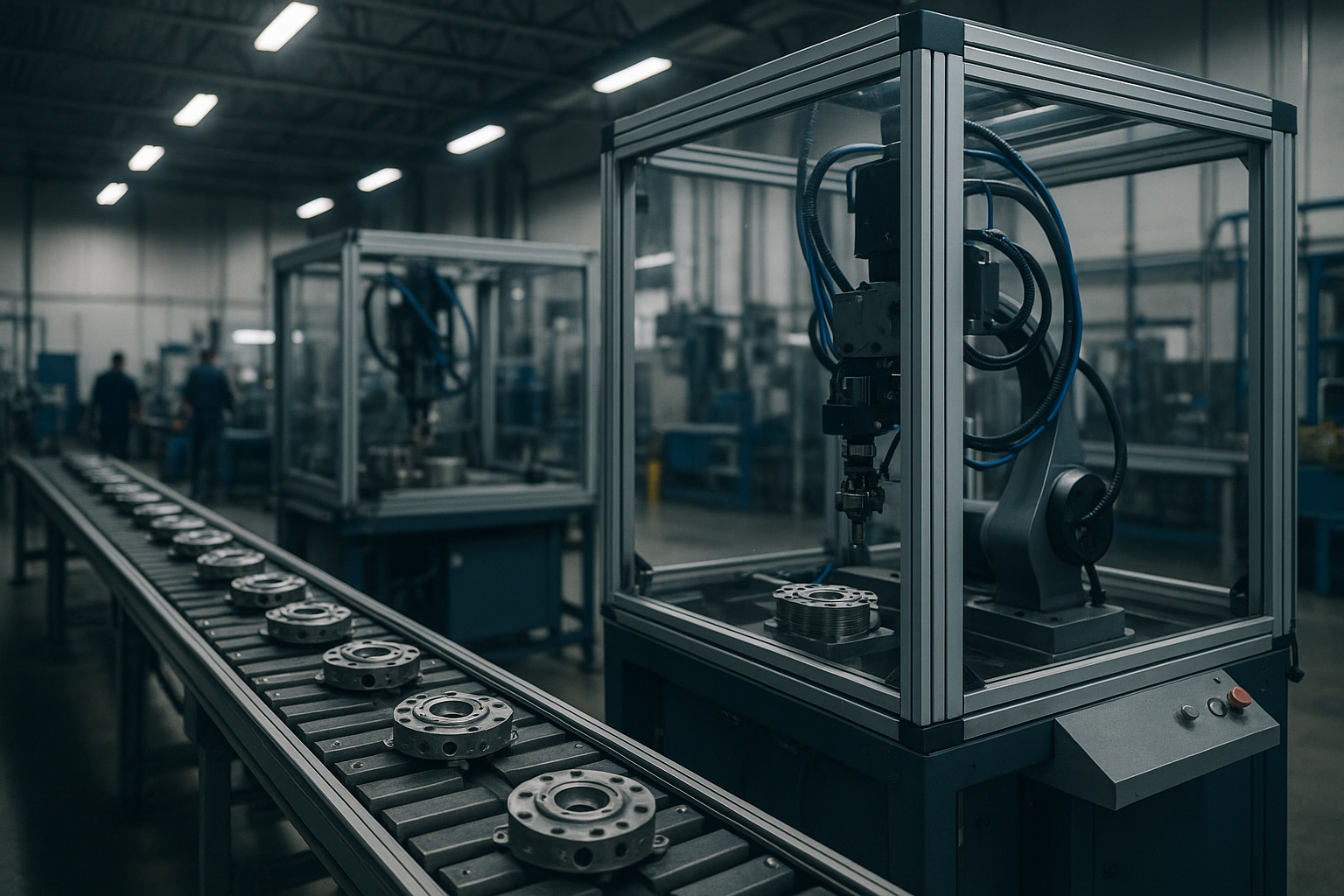
Corporate Strategy and the Policy Uncertainty Premium
Beyond operational adjustments, investors and analysts are paying close attention to how tariff risk is being priced into equity valuations and capital expenditure plans. Firms with heavy import exposure have historically underperformed the broader market during periods of acute trade tension, and portfolio managers say they are already tilting away from consumer discretionary and industrial names most vulnerable to renewed duties. The uncertainty itself carries an economic cost, as businesses defer long-term investment decisions while waiting for clarity, a dynamic that tends to suppress productivity growth and hiring in the months surrounding major policy announcements.
The Federal Reserve’s posture adds another layer of complexity. With policymakers already navigating the interaction between residual inflation and slowing growth, a tariff-driven cost shock could complicate the rate path considerably. Federal Reserve policy is already under scrutiny as officials attempt to balance competing economic signals, and a broad tariff expansion would force the institution to weigh supply-side price pressures against potentially weakening demand. Separately, a recent survey highlighted in a Corbin Advisors survey found that tariff anxiety remains one of the top concerns suppressing industrial investor confidence heading into the second half of 2026, even as other sentiment indicators have edged modestly higher. For business leaders who have been through this cycle before, the message is clear: preparation, not optimism, is the only reliable hedge.