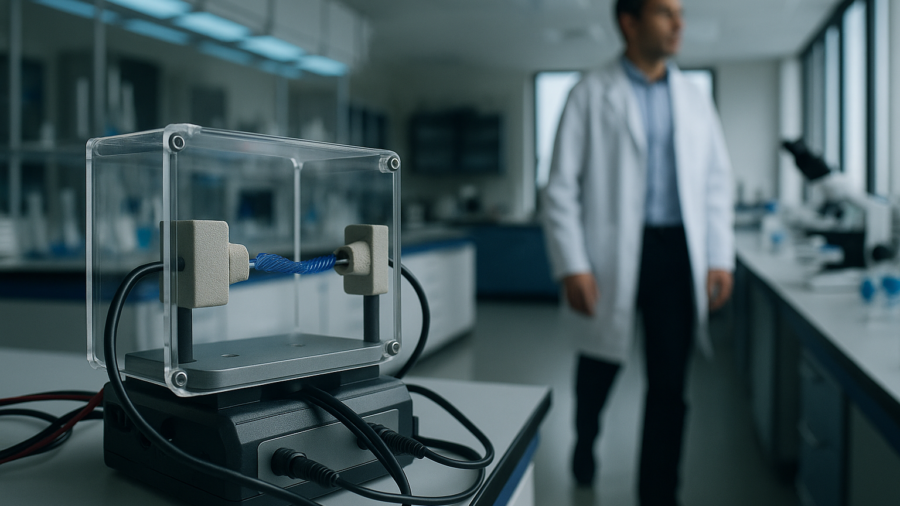
An Israeli biotechnology company is advancing a platform designed to stimulate the regrowth of damaged peripheral nerves, addressing a medical need that has largely resisted treatment for decades. The company, NovaNeuron, is working on a biological therapy that targets the mechanisms underlying nerve repair, with the goal of restoring function in patients who have suffered nerve injuries from trauma, surgery, or chronic disease. The story was first reported by Calcalist Tech, Israel’s leading technology and business news publication.
Peripheral nerve damage affects tens of millions of people globally, with conditions ranging from diabetic neuropathy to traumatic injury. Current clinical options remain limited, largely confined to physical rehabilitation and pain management rather than structural repair. NovaNeuron’s approach seeks to change that calculus by intervening at the cellular level to encourage axonal regrowth — the process by which nerve fibers extend and reconnect after injury.

The Science Behind the Platform
NovaNeuron’s technology centers on a proprietary combination of biomolecular signals designed to reactivate the body’s dormant nerve repair pathways. The company has identified specific protein interactions that inhibit natural regeneration following injury and developed compounds intended to neutralize those barriers. Preclinical data, according to the Calcalist Tech report, show measurable improvements in nerve fiber density and functional recovery in animal models, a result the company views as a meaningful signal ahead of human trials.
The broader peripheral nerve repair market is projected by industry analysts to reach several billion dollars over the coming decade, driven by rising rates of diabetes-related neuropathy and an aging global population increasingly susceptible to nerve compression and traumatic injury. NovaNeuron is positioning itself at the therapeutic end of that market rather than the surgical device segment, which already has established players. The distinction matters to investors: a drug-based or biologic-based solution carries higher regulatory risk but also substantially greater commercial upside if approved.
Funding Path and Commercial Outlook
NovaNeuron has been building its investor base within Israel’s deep life-sciences ecosystem, which has produced a steady stream of neurology and medical device exits over the past decade. The company is reported to be in ongoing discussions with strategic partners and institutional investors as it prepares for a clinical-stage funding round intended to carry it through initial human safety and efficacy studies. No specific valuation or round size has been publicly disclosed at this stage.
Israel’s biotech sector has demonstrated a consistent ability to translate early-stage neuroscience into investable assets, with several companies in adjacent fields having attracted significant cross-border capital from U.S. and European pharmaceutical groups. NovaNeuron’s focus on peripheral rather than central nervous system repair is a deliberate strategic choice: the regulatory pathway for peripheral nerve therapies is generally considered more tractable than for brain or spinal cord indications, potentially shortening the timeline to approval and commercialization. That pragmatism is likely to feature prominently in the company’s investor pitch as it enters the next phase of development.
The company’s progress will be closely watched by clinicians and investors alike, given how few regenerative nerve therapies have successfully navigated the path from animal models to approved human treatments. Readers tracking innovation in Israel’s technology and life-sciences sector may also find relevant context in The Fiscalist’s earlier coverage of Israeli firm acquisitions and the AI-driven R&D transformation reshaping Israeli technology companies more broadly.