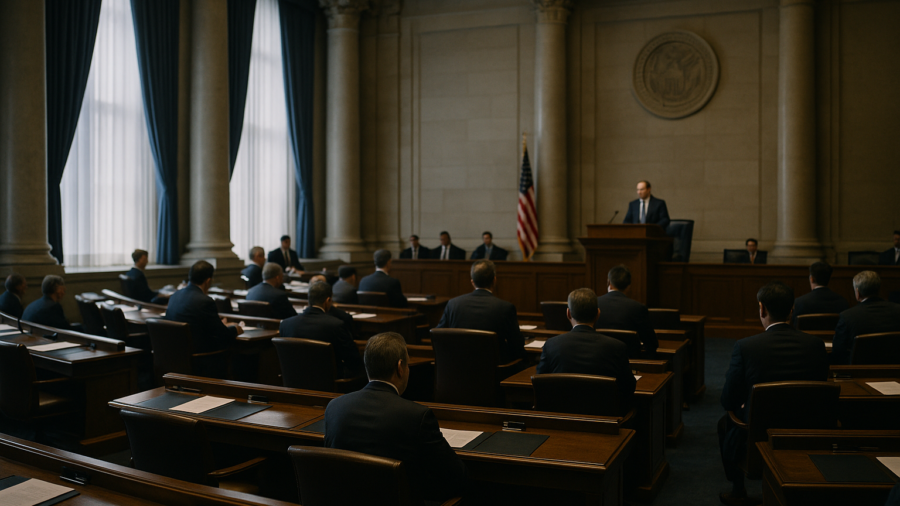
Kevin Warsh, the newly installed Chairman of the Federal Reserve, is wasting little time in asserting his authority over one of the world’s most influential economic institutions. According to a DoubleLine analysis, the former Fed governor and Stanford Hoover Institution fellow is moving decisively to recalibrate both the Fed’s policy framework and its internal culture, signaling a meaningful break from the approach that defined the Jerome Powell era.
DoubleLine Capital, the fixed income investment manager overseeing roughly $90 billion in assets, published a detailed white paper examining the early weeks of Warsh’s tenure. The firm argues that Warsh’s arrival represents more than a change in personnel — it reflects a philosophical shift in how the central bank will approach its dual mandate of price stability and maximum employment in the years ahead.
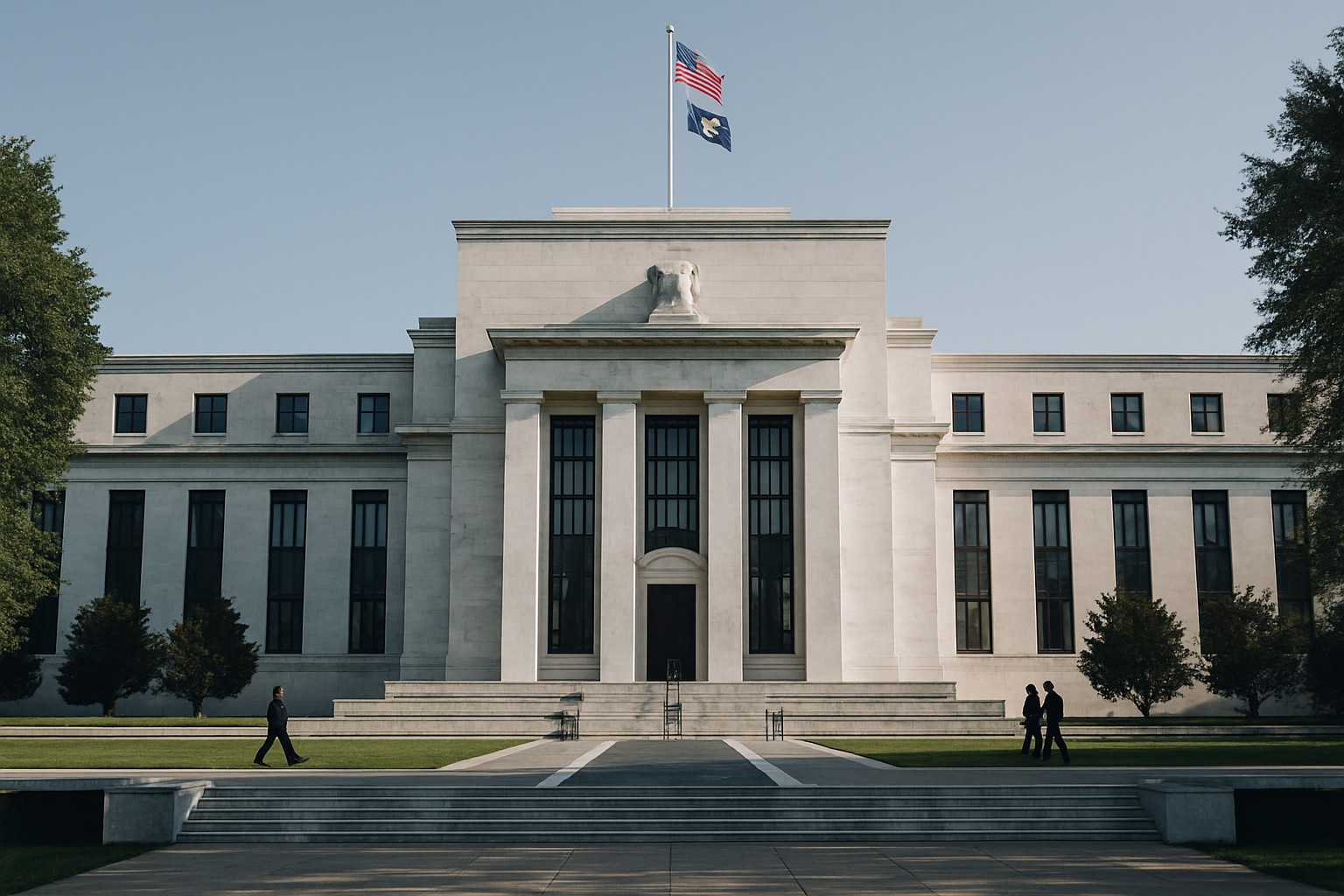
A New Philosophy Takes Hold at the Central Bank
Warsh, who served on the Fed’s Board of Governors from 2006 to 2011 and was widely seen as a frontrunner to succeed Ben Bernanke, brings a notably hawkish orientation to the chairmanship. DoubleLine’s paper highlights his longstanding skepticism of extended quantitative easing programs and his preference for rules-based monetary policy over the more discretionary approach favored by his predecessors. Analysts expect this posture to influence rate decisions at a time when inflation, while down considerably from its 2022 peak of 9.1 percent, remains above the Fed’s 2 percent target in several core categories.
The paper also notes that Warsh has signaled a desire to restore what he has described as the Fed’s credibility as an independent institution. During the post-pandemic period, critics argued that the central bank was too slow to respond to inflationary pressures, maintaining near-zero interest rates well into 2022 before embarking on one of the most aggressive rate-hiking cycles in four decades — lifting the federal funds rate from near zero to a range of 5.25 to 5.50 percent between March 2022 and July 2023. Warsh has publicly acknowledged this as a misstep and has indicated he intends to build a more proactive, forward-looking policy posture.
Structural and Operational Changes Signal Broader Ambitions
Beyond interest rate policy, DoubleLine’s analysis points to signs that Warsh is also pursuing structural changes within the Fed itself. These include a reported reassessment of the central bank’s communication strategy, with Warsh believed to favor less frequent and more precisely targeted forward guidance. The current system of detailed dot plots and quarterly projections has been criticized by some economists as creating undue market dependency and limiting the Fed’s flexibility to respond to new data.

Warsh is also said to be reviewing the Fed’s balance sheet reduction trajectory. The central bank’s holdings, which swelled to nearly $9 trillion at their peak following successive rounds of asset purchases, have been drawn down to approximately $7 trillion under the ongoing quantitative tightening program. DoubleLine’s paper suggests that Warsh may accelerate this reduction, reflecting his broader view that the Fed’s expanded footprint in financial markets poses long-term risks to both price stability and institutional independence.
Fixed income markets have already begun to price in some of these shifts. Treasury yields have shown increased volatility in recent weeks, with the 10-year yield oscillating between 4.3 and 4.7 percent as traders attempt to calibrate the new chairman’s likely policy trajectory. Credit spreads have widened modestly, suggesting some market participants are positioning for a more restrictive policy environment than what was anticipated under the previous leadership.
Market Implications and the Road Ahead
For investors, the implications of a Warsh-led Fed are significant and still unfolding. DoubleLine’s paper cautions that while Warsh’s hawkish leanings are well-documented, the practical constraints of chairing the Fed — including the need to build consensus among a diverse set of voting members — will likely moderate the pace of any policy shifts. The Federal Open Market Committee’s composition and the evolving macroeconomic data will both play critical roles in determining how quickly the new chairman can advance his agenda.
The broader economic backdrop also adds complexity. Growth in the United States has remained resilient, with GDP expanding at an annualized rate of approximately 2.1 percent in recent quarters, but leading indicators in the manufacturing and housing sectors point to potential softening ahead. A slowing labor market, where job gains have moderated from the robust pace seen in 2023, could complicate any effort to maintain a hawkish stance without risking a sharper economic downturn. Sentiment among institutional investors, as tracked in surveys covering industrial and corporate confidence, reflects similar uncertainty — a dynamic examined recently in coverage of industrial investor sentiment heading into the second half of 2026.
What is clear, according to DoubleLine, is that Warsh is not approaching the role as a caretaker chairman. His early moves suggest an ambition to leave a lasting institutional imprint — one that future policymakers will have to contend with regardless of the economic conditions they inherit. For markets navigating an already uncertain rate environment, understanding the new chairman’s convictions may prove just as important as tracking the next inflation print. Investors seeking broader context on how shifting policy expectations are reshaping asset allocation strategies may also find relevant perspective in recent analysis of Southeast U.S. ETF flows, which reflect the kind of regional rotation that often accompanies major monetary inflection points.